Behavioral Studies

Baccarat Confirmation Bias: Why Patterns Feel Predictive

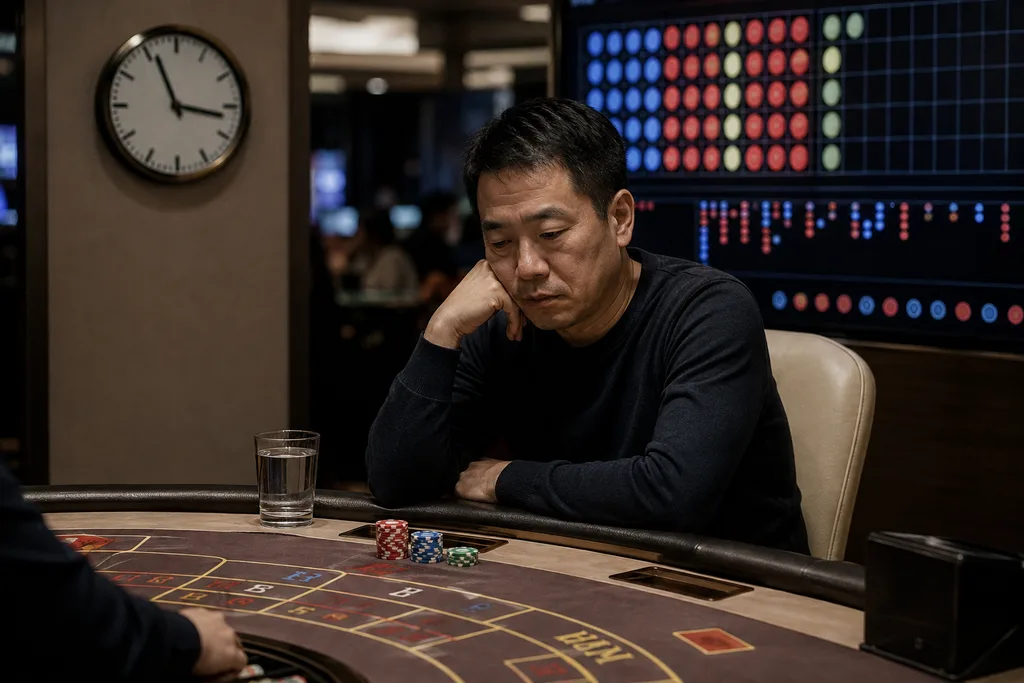
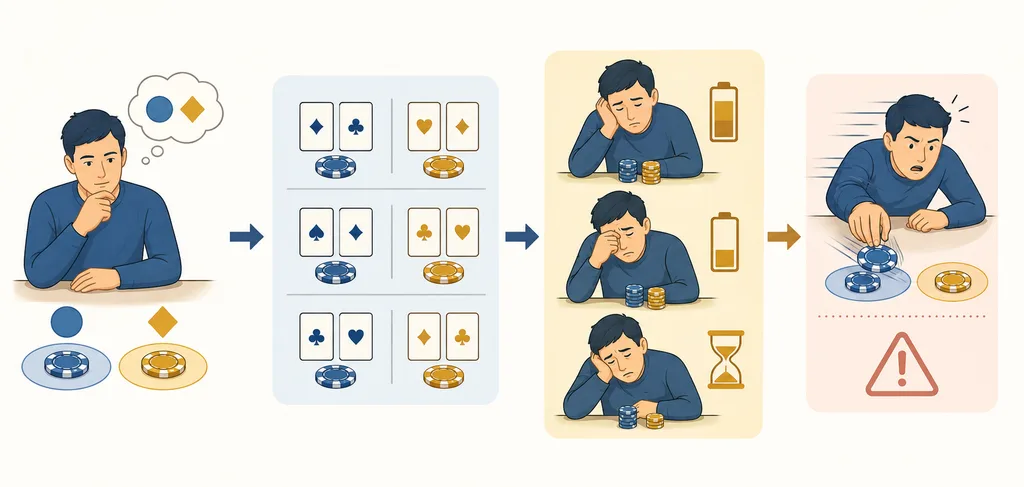
A baccarat shoe can feel strangely persuasive. A player sees four Banker results in a row, notices the road looks “clean,” and suddenly the next decision feels less like a guess and more like recognition. If the call wins, the pattern feels confirmed. If it loses, the mind may treat it as an exception. That is the core problem behind Baccarat Confirmation Bias: the danger is not seeing patterns, but treating preferred patterns as proof.

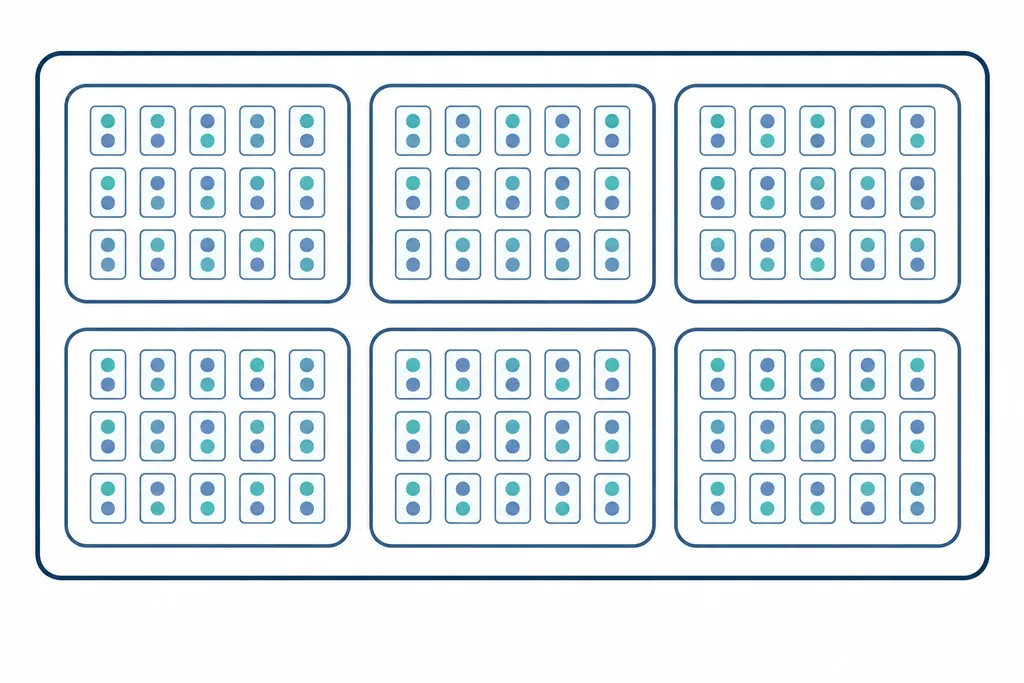
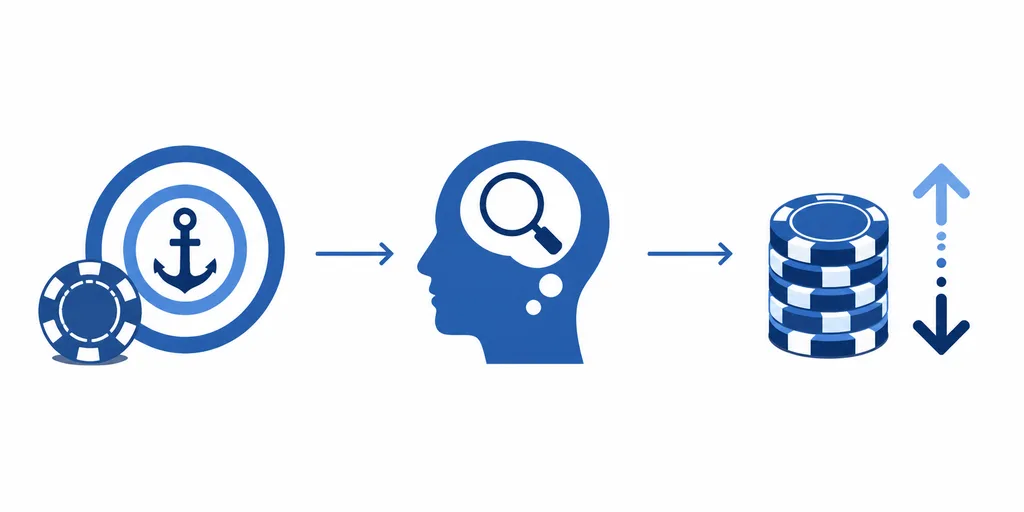
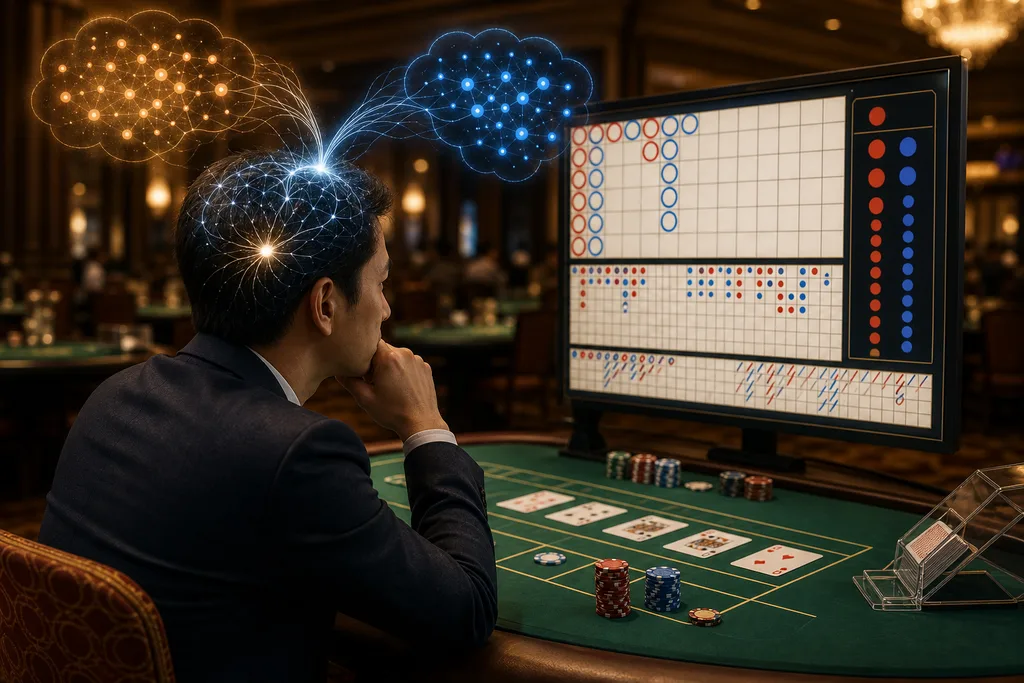
바카라 점수판을 보는 플레이어의 확인 편향 개념도

What Is Baccarat Confirmation Bias?

Confirmation bias is the tendency to notice, interpret, and remember information that supports what we already believe, while giving less weight to information that challenges it. The American Psychological Association defines it as a preference for evidence that confirms existing beliefs or expectations.

In baccarat, the belief may be simple: “Banker is hot,” “Player is due,” or “this road pattern has meaning.” Once that belief exists, the scorecard becomes more than a record of past coups. It becomes a screen onto which the player projects expectation. The same sequence can look like a continuation signal to one person and a reversal signal to another, because both are reading through different beliefs.

This does not mean players are foolish. Confirmation bias is a normal human shortcut. It helps people make sense of messy information quickly. The problem is that baccarat outcomes are not improved by confidence, storytelling, or selective attention.

How Confirmation Bias Appears at the Baccarat Table

Reading the scorecard as proof

A baccarat scorecard records history. It does not, by itself, explain why the next hand must go one way. Yet visual roads make randomness look organized. Clusters, alternations, chops, and streaks appear as shapes, and shapes invite stories. When a player already expects a Banker run, every Banker result becomes supporting evidence, while every Player result becomes a temporary disruption.

Remembering correct predictions and forgetting misses

Selective memory is one of the strongest engines of confirmation bias in baccarat betting. A player may vividly remember saying “Banker again” before a win, but barely register three earlier failed calls. Wins feel diagnostic; losses feel noisy. Over time, this can create the honest but inaccurate feeling that personal prediction skill is stronger than it really is.

Turning short streaks into systems

Short streaks are common in random sequences. The bias begins when a short streak is treated as proof of a method. A few correct calls can feel like validation, especially when they happen after careful scorecard reading. But a pattern that explains the past after it occurred is not automatically a signal for the future.

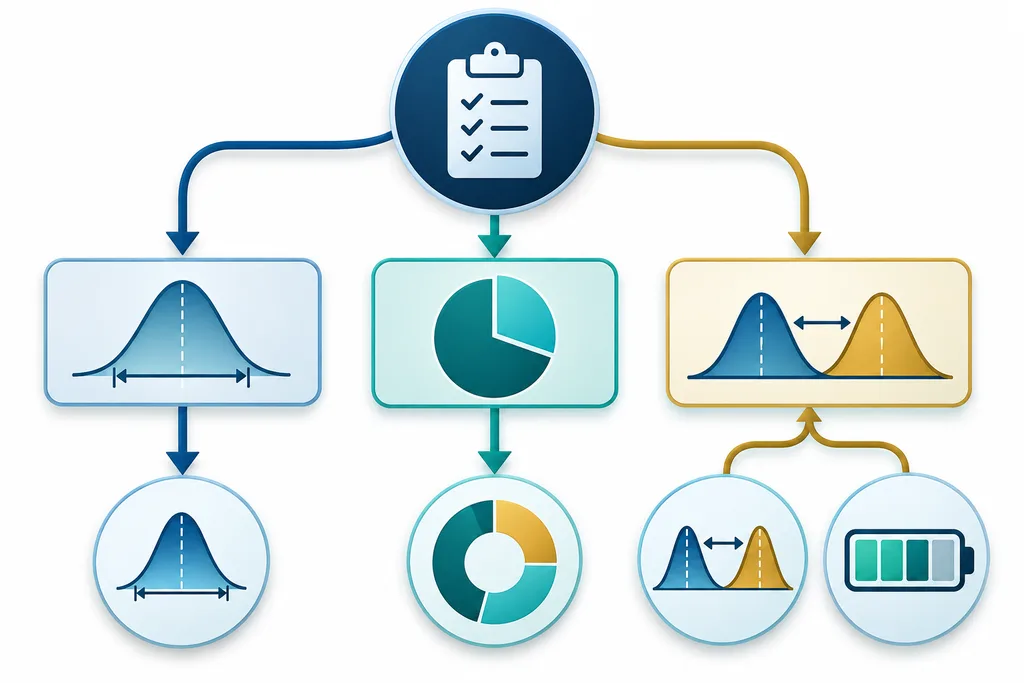
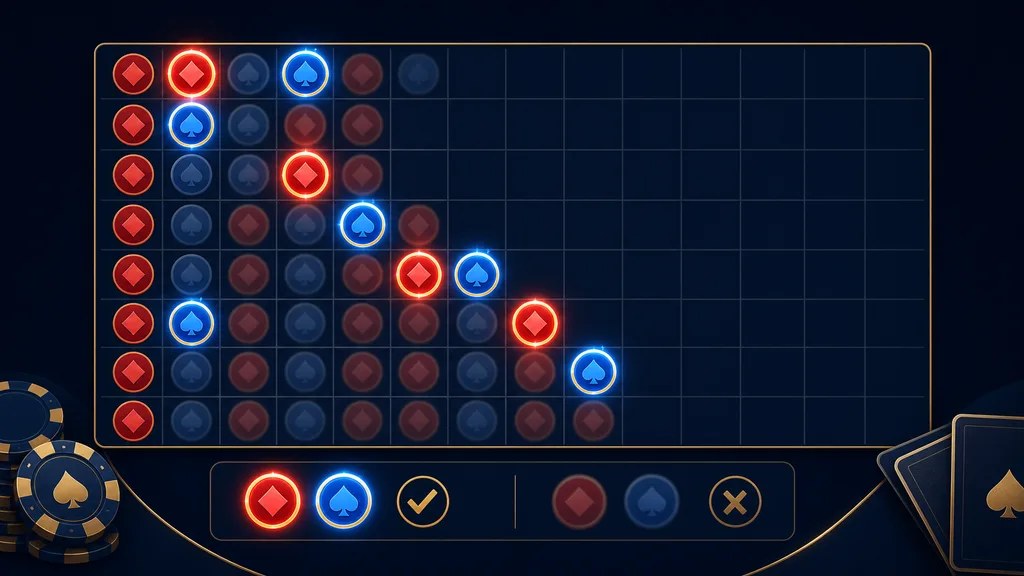
바카라 패턴 읽기에서 선택적 기억을 보여주는 도식

Why Baccarat Predictions Can Feel More Accurate Than They Are

Predictions feel accurate when three forces combine: memory, pattern perception, and emotion. After a lucky call, the emotional reward is immediate. The table, the scorecard, and the decision all become linked in memory. That link can be stronger than the statistical value of the event.

Research on gambling decision-making, including work by Luke Clark, discusses how gambling-related cognitions can make people overestimate control or interpret chance events as meaningful. Near-misses, personal control cues, and emotionally charged outcomes do not objectively improve odds in chance games, but they can increase the desire to continue.

This matters because baccarat is often presented visually. Roads and scoreboards compress many outcomes into a format that looks analytical. Analysis is not the problem. The problem is when a visual record is treated as if it has predictive authority without a tested model behind it.

Confirmation Bias vs. Gambler’s Fallacy

Confirmation bias and the gambler’s fallacy are different, but they often work together. The gambler’s fallacy in baccarat is the belief that a reversal is “due” because one outcome has appeared too often. Confirmation bias is the habit of collecting only the evidence that supports the belief you already prefer.

One player may see six Banker results and say, “Player must come now.” Another may see the same six results and say, “Banker is clearly strong.” Both are misusing past outcomes if they assume the history forces the next coup. One is looking for evidence of reversal; the other is looking for evidence of continuation. The shared mistake is treating recent history as stronger proof than it is.

Scorecards, Roads, and Table Narratives

Scorecards feel powerful because they create narrative order. A road can make the shoe look like it has personality: choppy, stable, cold, hot, broken, or balanced. These descriptions may be useful as table language, but they can become misleading when they imply causation.

Recorded outcomes are not the same as predictive signals. In standard baccarat, the underlying rules shape long-run probabilities, not the mood of the table. For example, under standard 8-deck conditions, Wizard of Odds lists a house edge of about 1.06% on Banker, 1.24% on Player, and 14.36% on Tie, with details in its baccarat basics. These figures help explain the structure of the game, but they do not let anyone identify the next winning hand from a road pattern.

This is why understanding the baccarat house edge is separate from predicting a specific coup. Banker may have a lower house edge than Player in standard rules, but that does not transform a visual streak into a reliable forecast.

How Confirmation Bias Can Damage Bankroll Discipline

The most practical risk of confirmation bias is not just being wrong. It is becoming more confident while being wrong. A player who feels “confirmed” may increase bet size, ignore stop limits, or reframe losses as part of the pattern. This is where cognitive bias becomes a bankroll problem.

After a loss, the mind often protects the original belief: “The pattern was right, but I entered too early,” or “It will correct on the next hand.” That kind of reasoning can connect with loss aversion in high-variance decision making, where the discomfort of being down pushes a person to seek recovery rather than clarity.

Bias can also make short samples feel larger than they are. Ten or twenty coups may look meaningful on a scorecard, but they are still a thin slice of a volatile process. If you are thinking about long-run learning, concepts such as Bayesian convergence in baccarat are more useful than table stories built after the fact.

A Practical Checklist to Reduce Baccarat Confirmation Bias

No checklist can change the odds or make baccarat predictable. Its purpose is more modest: to reduce self-deception and protect decision discipline.

  • Record every prediction. Write down the call before the result, including skipped hands and uncertain calls. Do not record only wins.
  • Separate observation from interpretation. “Banker appeared four times” is an observation. “Banker is strong” is an interpretation.
  • Set bet size before reading the road. If the scorecard can make you raise the stake impulsively, the decision is vulnerable to bias.
  • Use stop limits, not emotional arguments. A stop-loss and session limit should be decided before play, not negotiated after frustration.
  • Review misses honestly. A pattern that explains only the winning calls is not evidence of prediction skill.
  • Pause when the reason to continue becomes personal. “I need to prove my read was right” is not a probability argument.

For a more structured approach to limits and bet sizing, review bankroll management in baccarat. The goal is not to beat randomness through discipline, but to prevent randomness from turning into uncontrolled exposure.

바카라 확인 편향을 줄이는 체크리스트

Key Takeaway: Patterns Can Feel Persuasive Without Being Predictive

Baccarat confirmation bias explains why a road can feel meaningful after you already believe in a story. It makes winning predictions easier to remember, losing predictions easier to excuse, and short streaks easier to upgrade into systems. None of that proves predictive power.

A responsible interpretation is simple: observe patterns if you want, but do not let preferred patterns become proof. The scorecard shows what happened. Your memory filters what mattered. The next decision should respect that difference.

Behavioral Studies

Baccarat Gambler’s Fallacy: Why Streaks Don’t Predict the Next Hand

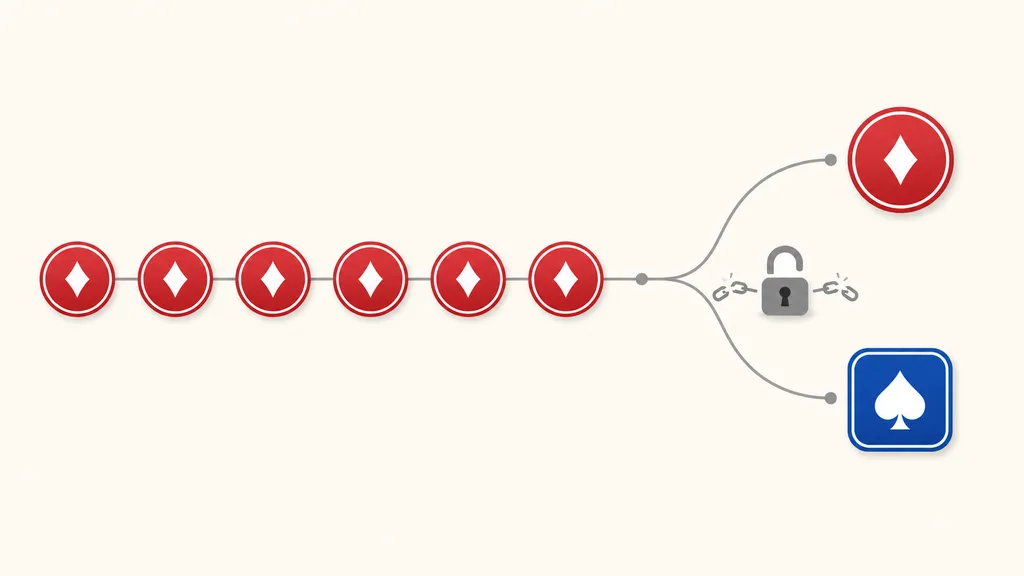
If Banker has appeared seven hands in a row, is Player now more likely to win the next hand? This is the classic Baccarat Gambler’s Fallacy: the belief that a random or near-random sequence must “balance out” soon because one result has appeared too often. It feels logical at the table, especially when the scoreboard is glowing with a long red or blue line, but it is not a reliable way to predict the next baccarat hand.

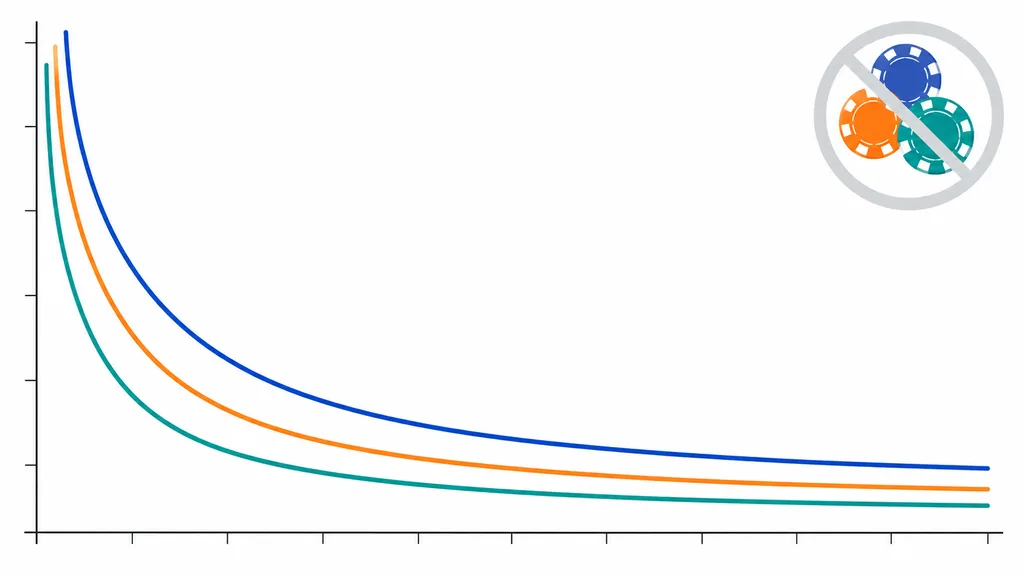
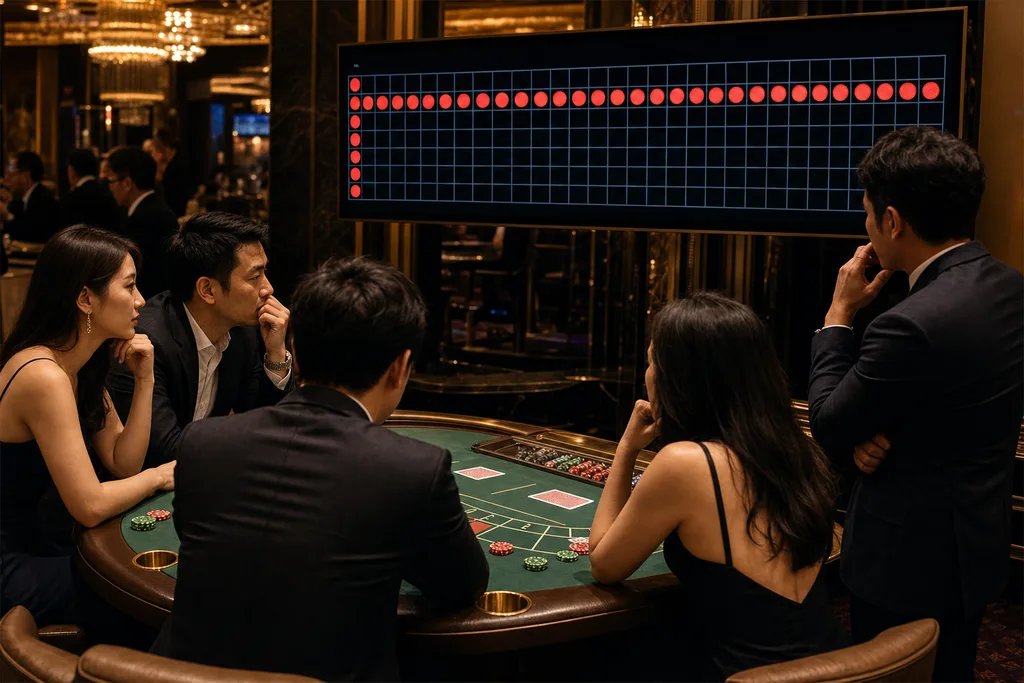
긴 뱅커 스트릭이 표시된 바카라 스코어보드

What Is the Baccarat Gambler’s Fallacy?

The APA Dictionary of Psychology defines gambler’s fallacy as the mistaken belief that a random event is influenced by previous random events. In baccarat, the simple version is: “Banker has come up too many times, so Player is due.”

The error is not noticing a streak. Streaks really do happen. The error is assuming the streak creates pressure on the next hand to reverse. “Due” is an emotional word, not a probability signal. A shoe, a continuous shuffling machine, or an online random number generator does not remember that you are frustrated, excited, or waiting for a comeback.

Why Baccarat Streaks Feel Predictive

Pattern detection is useful, but not always accurate

Human brains are built to detect patterns. That skill helps us learn language, avoid danger, and make quick decisions. At the baccarat table, however, the same instinct can turn a visual sequence into a story: “Banker is hot,” “Player is overdue,” or “Tie must arrive soon.” The story feels meaningful because the scoreboard makes the sequence easy to see.

The table does not self-correct on your schedule

Long-term probabilities can settle toward expected averages over many trials, but that does not mean the next hand must repair the recent past. A short run of Banker outcomes does not force an immediate Player result. Likewise, a long absence of Tie does not create a countdown to Tie. Short-term variance can look dramatic before larger samples smooth out.

Scoreboards and roads create visual pressure

Baccarat roads are useful for recording past outcomes, but they are not prediction engines. Big Road, Bead Plate, Big Eye Boy, Small Road, and Cockroach Pig can make historical results look organized and almost intentional. They show what happened; they do not prove what must happen next.

이전 바카라 결과와 다음 핸드 확률 비교 다이어그램

Are Baccarat Hands Truly Independent?

It is common to say baccarat hands are independent, but the precise answer depends on the game format. In a traditional shoe game, cards are removed as the shoe progresses, so the composition of remaining cards changes. That means the game is not perfectly independent in the strict mathematical sense.

For normal players, though, the displayed Banker, Player, and Tie pattern is not strong enough to be a practical prediction signal. Seeing “Banker, Banker, Banker” does not tell you the exact remaining card composition in a useful way. In CSM games and online RNG baccarat, the argument for pattern reading becomes even weaker because past displayed results have even less reason to affect the next result.

Common Gambler’s Fallacy Traps in Baccarat

Player is overdue after a Banker streak

This is the most familiar trap. A player sees five, seven, or ten Banker results and assumes Player must arrive. The next hand may be Player, but not because the table owed it to anyone.

Tie must come soon after a long absence

Tie is especially tempting because it appears less often than Banker or Player. When it has not appeared for a while, the absence feels meaningful. In reality, “not seen recently” is not a reason to treat a high-house-edge wager as safer.

Doubling after losses

Progression systems such as Martingale often become dangerous when combined with gambler’s fallacy. The player thinks a reversal is due, raises the next bet, loses again, and then must increase even more to chase the same idea. Table limits, bankroll limits, and emotional pressure can all arrive before the hoped-for correction.

Switching sides because the table owes a reversal

Changing from Banker to Player can be harmless if it is part of a fixed entertainment plan. It becomes risky when the reason is revenge against the scoreboard. The table does not owe a pattern break.

Baccarat Odds That Matter More Than Streaks

The numbers that deserve more attention than road patterns are the house edges. According to Wizard of Odds baccarat tables, a typical 8-deck game has approximately the following house edges:

BetApproximate house edgePractical takeaway
Banker1.06%Usually the lowest house edge, but not a prediction tool
Player1.24%Slightly higher than Banker in many standard games
Tie14.36%Much higher risk despite the attractive payout

A low house edge does not mean the next hand is predictable. It only describes the average cost of the wager over a large number of bets under the posted rules. Short-term results can still swing sharply, and a long streak can still appear without giving you a reliable edge.

바카라 Banker Player Tie 하우스 엣지 비교표

Gambler’s Fallacy vs Hot-Hand Fallacy

Gambler’s fallacy usually bets against the streak: “Banker has won too much, so Player is next.” Hot-hand fallacy usually bets with the streak: “Banker keeps winning, so Banker is hot.” These look opposite, but they share the same root problem. Both give past outcomes more predictive power than they deserve.

A disciplined player can record results for interest without turning every line on the board into a command. The key question is not “What story does the road show?” but “Am I making this wager because of rules, limits, and risk awareness, or because the pattern feels like it must mean something?”

How to Reduce Gambler’s Fallacy at the Table

  • Set stake size before play. Decide your unit size before the first hand, not after a painful streak.
  • Avoid “due” language. If your reason for betting is “Player is due” or “Tie has to come,” pause.
  • Use stop-loss and time limits. Limits work best when they are written down before emotions rise.
  • Do not increase automatically after losses. Chasing can turn a small negative run into a bankroll problem.
  • Treat each decision as fresh. Past results may be interesting, but they should not be treated as a guarantee.
  • Step away after emotional streaks. Excitement and frustration both make patterns feel more convincing.

Key Takeaways for Baccarat Players

The Baccarat Gambler’s Fallacy gets one thing wrong: it treats the scoreboard as if it has memory and intention. Banker streaks do not make Player “owed.” A missing Tie does not become safer because you have waited. A road map can summarize history, but it cannot promise the next card sequence.

Responsible baccarat play starts with probability literacy. Know the house edge, respect variance, avoid chasing losses, and be honest about emotional triggers. If gambling stops feeling like entertainment, or if you feel driven to recover losses, increase stakes, or continue despite negative consequences, take a break and seek support from a qualified problem gambling resource in your region.

Behavioral Studies

Baccarat Sunk Cost Fallacy: Why Players Keep Betting After Losses

A player is down eight units, pauses at the edge of the baccarat table, and then makes a larger Banker bet because leaving now would make the loss feel final. That moment captures the Baccarat Sunk Cost Fallacy: a past loss begins to influence a new decision, even though the next coup has not become more favorable.

The essential principle is simple: money already lost in a session has no predictive value for the next baccarat decision. It may feel emotionally important, but it does not change the payout structure, your bankroll limits, or the casino’s mathematical edge.

바카라에서 과거 손실과 미래 기대값을 구분하는 의사결정 도표

What Is the Sunk Cost Fallacy in Baccarat?

The sunk cost fallacy is the tendency to continue an action because money, time, or effort has already been spent. In baccarat, it appears when a player thinks, “I have already lost too much to stop,” or “I need one more hand to make this session worthwhile.”

A sunk cost is unrecoverable by definition. The question is not whether the previous bets were painful, disappointing, or frustrating. The rational question is: from this point forward, is the next bet consistent with my odds, bankroll rules, and entertainment budget?

Classic behavioral research by Hal Arkes and Catherine Blumer described the sunk cost effect as a greater tendency to continue an endeavor once an investment has been made. Baccarat gives this bias a clear stage because decisions arrive quickly, losses are visible, and the next hand always feels close enough to repair the previous one.

A Simple Baccarat Example

Imagine a player begins with a 100-unit session bankroll and plans to bet 5 units per hand. After a difficult shoe, the player is down 40 units. A fresh 20-unit bet would normally feel too large, but now it is justified as a “recovery” bet.

This is the critical mistake. The 40 units are already gone. A 20-unit bet should be evaluated as if the session were starting now: does it fit the player’s rules, risk tolerance, and reason for playing? If the answer is no, then the bet is being driven by sunk cost pressure rather than by a stable decision rule.

Sunk Cost Fallacy vs. Loss Chasing

Loss chasing is the behavior of continuing to gamble in an attempt to recoup losses. The sunk cost fallacy is one possible mental justification for that behavior. In other words, chasing is what the player does; sunk cost thinking is one reason the player may feel that chasing is reasonable.

Research on gambling behavior often distinguishes chasing within the same session from chasing across later sessions. Baccarat’s pace makes within-session chasing especially easy to miss. “One more hand” becomes another hand, then a larger hand, then a new reason not to leave.

바카라 세션에서 손실 추격과 sunk cost 압력이 반복되는 순환 구조

Sunk Cost Fallacy vs. Gambler’s Fallacy

The gambler’s fallacy is different. It is the belief that a future result is “due” because of previous outcomes, such as expecting Player to hit because Banker has appeared several times in a row. The sunk cost fallacy is not mainly about predicting the next result; it is about feeling obligated to continue because of what has already been lost.

At the table, the two biases can combine: “I lost five Player bets, Banker must be due, and I need to get even.” For a deeper explanation of streak-based reasoning, see this guide to gambler’s fallacy in baccarat.

Why Baccarat Makes the Bias Feel Plausible

Baccarat is often described as a relatively low-house-edge casino game, especially compared with many side bets. According to Wizard of Odds baccarat data, the standard Banker bet has a house edge of about 1.06%, Player about 1.24%, and Tie is far higher, commonly above 14% depending on rules.

That low edge can make recovery feel more plausible than it really is. A small house edge does not become a positive expectation because the player is behind. It also does not justify progression betting, doubling after losses, or using the Tie bet as a desperate shortcut.

Scoreboards, bead roads, and big roads add narrative pressure. They can make prior outcomes feel like a map, even when they mostly record what has already happened. In a finite shoe, card composition does change slightly as cards are removed, so baccarat is not identical to flipping a coin. But for ordinary table decisions, a losing session does not create a personal right to recovery or make emotional escalation mathematically sound. For probability-focused readers, baccarat house edge and long-run convergence are better guides than the feeling that a shoe “owes” a result.

The Psychology Behind Getting Even

Sunk cost pressure is powerful because quitting can feel like wasting the earlier bets. The player may not be only trying to win money back; they may be trying to change the emotional meaning of the session. A break-even point becomes a psychological finish line.

This connects with loss aversion: losses tend to feel more intense than equivalent gains. Once the session is anchored at “I was even earlier,” every later decision may be judged against that lost reference point. That is why loss aversion and anchoring in high-variance decisions are often discussed together with sunk cost behavior.

Recent gambling studies have also examined how craving, present-focused thinking, and interpretive biases may be associated with chasing behavior. This does not mean every frustrated baccarat player has a disorder. It means that fast, emotional decisions can become less about the next hand and more about escaping the discomfort of being behind.

A Practical Decision Rule for Baccarat Players

Ask the fresh-start question

Before placing a recovery-motivated bet, ask: “If I had not lost anything yet, would I place this exact bet now?” If the honest answer is no, the previous loss is probably driving the decision.

Pre-commit before the first hand

Limits work best before emotion rises. Set a stop-loss, time limit, bet-size cap, and a rule against increasing bets solely after losses. These are not winning systems; they are boundary tools. A structured approach to bankroll management in baccarat helps separate entertainment risk from impulsive escalation.

Separate analysis from recovery

A bet should have a clear reason that exists independently of past pain: fixed stake size, pre-set budget, game rules, or simple entertainment choice. “Because I need to get back to even” is not an analysis. It is a warning signal.

바카라 플레이 중 sunk cost 결정을 피하기 위한 fresh-start 체크리스트

Warning Signs at the Table

  • “I have already lost too much to stop.”
  • “One win will reset the whole session.”
  • “I will leave when I get back to even.”
  • “This shoe owes me something.”
  • “I would never bet this much at the start, but now I have to.”

The Takeaway

The sunk cost fallacy in baccarat occurs when past losses take control of present decisions. Those losses may feel urgent, but they do not improve the next coup, reduce the house edge, or make a larger bet more rational.

The safest response is not a more aggressive betting pattern. It is a pre-committed boundary, a fresh-start question, and the willingness to stop while the decision is still yours. If gambling no longer feels voluntary, or if you keep playing mainly to recover losses, consider contacting a trusted support service such as the National Problem Gambling Helpline.

Market Analysis

Baccarat House Edge Comparison by Bet Type: Banker, Player, Tie and Side Bets

바카라에서 가장 비싼 선택은 얼마를 거는지가 아니라 어떤 칸에 거는지일 때가 많습니다. 이 글은 baccarat house edge comparison by bet type을 중심으로 Banker, Player, Tie, 주요 Side Bets의 하우스 엣지와 기대값, 변동성을 비교합니다. 목적은 “이기는 법”을 찾는 것이 아니라, 같은 바카라 테이블 안에서도 장기 평균 손실률이 얼마나 달라지는지 이해하는 것입니다.

Baccarat House Edge Comparison by Bet Type: Quick Table

아래 수치는 표준 8덱 바카라와 흔히 인용되는 페이테이블을 기준으로 한 비교입니다. 실제 카지노, 온라인 소프트웨어, 무커미션 룰, 사이드벳 지급표에 따라 수치는 달라질 수 있으므로 항상 현장 룰을 확인해야 합니다.

Bet TypeTypical PayoutApprox. Win or Hit ProbabilityHouse EdgePractical Interpretation
Banker5% commission 후 0.95:1Banker outcome 약 45.86%약 1.06%표준 메인 베팅 중 가장 낮은 장기 손실률
Player1:1Player outcome 약 44.62%약 1.24%Banker보다 약간 불리하지만 여전히 효율적
Tie at 8:18:1Tie outcome 약 9.52%약 14.36%정기적으로 선택하기에는 매우 비싼 메인 베팅
Tie at 9:19:1Tie outcome 약 9.52%약 4.85%8:1보다 낫지만 Banker와 Player보다 불리
Dragon Bonusvariable승리 마진에 따라 다름Player side 약 2.65%, Banker side 약 9.37% 사례페이테이블 의존도가 크고 변동성 높음
Panda 8보통 25:1드문 특정 결과약 10.19%큰 배당은 높은 분산을 동반
Dragon 7 / Tiger 7보통 40:1드문 특정 결과약 7.61%맞으면 크지만 장기 기대값은 불리
Either Pair보통 5:1페어 발생 빈도 기준8덱 기준 약 13.71% 수준자주 보이는 듯해도 지급률이 충분하지 않음
Big / Smallsoftware와 pay table별 상이총 카드 수에 따라 다름룰별 편차 큼항상 지급표와 덱 조건을 먼저 확인

Banker, Player, Tie의 기본 확률과 수익률 표는 Wizard of Odds의 바카라 분석에서 널리 참고됩니다. 핵심은 단순합니다. 같은 게임처럼 보여도 Banker와 Player는 낮은 하우스 엣지 영역이고, Tie와 다수의 사이드벳은 전혀 다른 비용 구조를 가집니다.

바카라 베팅 유형별 하우스 엣지 비교 차트

What House Edge Means in Baccarat

하우스 엣지는 카지노가 한 판마다 반드시 가져가는 돈이 아니라, 같은 조건의 베팅을 매우 많이 반복했을 때 플레이어 베팅액 대비 평균적으로 불리한 비율입니다. Banker bet house edge가 약 1.06%라는 말은 100달러를 걸면 매번 1.06달러를 잃는다는 뜻이 아닙니다. 장기 평균으로 그 정도의 음수 기대값을 가진다는 의미입니다.

House Edge Is a Long-Term Average, Not a Session Forecast

짧은 세션에서는 Banker만 선택해도 크게 질 수 있고, Tie에 한 번 맞아 이길 수도 있습니다. 하지만 단기 결과는 분산의 영역이며, 장기적으로는 확률과 지급률의 차이가 누적됩니다. 따라서 낮은 하우스 엣지는 “수익 보장”이 아니라 “동일한 베팅액을 반복할 때 평균 손실률이 상대적으로 낮다”는 표현으로 이해해야 합니다.

Expected Value and Why Every Standard Bet Is Still Negative

기대값은 각 결과의 확률에 그 결과의 순손익을 곱해 더한 평균값입니다. 예를 들어 Banker에 1단위를 걸면 Banker 승리 시 커미션 후 +0.95, Player 승리 시 -1, Tie 시 0입니다. 이 값을 확률로 가중하면 약 -0.0106이 되어 하우스 엣지 약 1.06%가 됩니다. Player도 약 -1.24%로 음수이며, Tie 8:1은 약 -14%대로 훨씬 더 불리합니다.

Banker Bet: Lowest House Edge, But Not a Guaranteed Win

표준 바카라에서 Banker는 일반적으로 가장 낮은 하우스 엣지를 갖습니다. 다만 이름 때문에 딜러나 카지노 편에 거는 특수한 선택처럼 느껴질 수 있지만, 실제로는 카드 드로잉 룰상 Banker 결과가 Player 결과보다 조금 더 자주 나오기 때문에 생기는 수학적 차이입니다.

Why Banker Wins Slightly More Often

8덱 기준으로 Tie를 포함한 전체 핸드 중 Banker outcome은 약 45.86%, Player outcome은 약 44.62%, Tie는 약 9.52%로 인용됩니다. 차이는 1%포인트 남짓이지만 수백, 수천 판이 누적되면 기대값 차이로 나타납니다. 더 자세한 장기 확률 수렴 관점은 바카라 확률 수렴 설명처럼 장기 분석 글과 함께 보면 이해가 쉽습니다.

How the 5% Commission Changes the Return

Banker가 더 자주 이긴다면 왜 무조건 좋은 베팅이 되지 않을까요? 답은 5% 커미션입니다. 대부분의 표준 룰에서 Banker 승리는 1:1이 아니라 0.95:1로 지급됩니다. 이 커미션이 없으면 카지노가 불리해질 수 있기 때문에, 지급률을 낮춰 장기 기대값을 다시 음수로 조정합니다. 결과적으로 Banker는 가장 덜 불리한 표준 선택이지만, 여전히 카지노 우위가 남습니다.

Player Bet: Slightly Worse Than Banker, Still Relatively Efficient

Player bet house edge는 약 1.24%로 Banker보다 근소하게 높습니다. 하지만 Tie나 대부분의 side bets와 비교하면 여전히 낮은 편입니다. 커미션 계산이 번거롭지 않고 1:1로 지급된다는 점 때문에 일부 플레이어는 Player를 선호하지만, 순수 기대값만 보면 Banker가 약간 우세합니다.

Why the Player Bet Pays Even Money

Player는 Banker보다 발생 확률이 조금 낮기 때문에 1:1 지급을 해도 카지노가 장기 우위를 가집니다. Tie가 나오면 일반적으로 Banker와 Player 베팅은 푸시 처리되어 원금이 반환됩니다. 이 푸시 구조 때문에 단순히 45.86% 대 44.62%만 보는 것보다 기대값 계산이 중요합니다.

When the Banker–Player Difference Matters

한두 판에서는 Banker와 Player의 차이가 거의 체감되지 않습니다. 그러나 베팅 횟수가 많고 총 베팅액이 커질수록 1.06%와 1.24%의 차이는 점점 의미가 생깁니다. 그래서 “best bet”이라는 표현을 쓰더라도 이는 이익 전략이 아니라 least negative expected value, 즉 가장 덜 불리한 선택이라는 제한된 의미입니다.

바카라 기대값과 단기 변동성 설명 그래프

Tie Bet: The High-Edge Trap on the Main Layout

Tie bet은 메인 레이아웃에 함께 놓여 있어 Banker, Player와 비슷한 기본 선택처럼 보입니다. 그러나 수학적으로는 완전히 다릅니다. Tie는 약 9.52%로 드물게 발생하므로, 공정에 가까우려면 배당이 훨씬 높아야 합니다. 많은 테이블의 8:1 지급은 그 드문 확률을 충분히 보상하지 못합니다.

8-to-1 Tie Payout vs 9-to-1 Tie Payout

Tie가 8:1로 지급되면 하우스 엣지는 약 14.36%로 치솟습니다. 9:1 지급이면 약 4.85% 수준까지 내려가지만, 그래도 Banker와 Player보다 훨씬 높습니다. 즉 9:1 Tie는 8:1보다 “덜 나쁜” 조건일 수는 있어도, 낮은 하우스 엣지 선택이라고 보기는 어렵습니다.

Why a Rare Outcome Needs a Better Payout Than Most Tables Offer

드문 결과에 높은 배당이 붙으면 매력적으로 보입니다. 하지만 기대값은 “배당이 큰가”가 아니라 “그 배당이 실제 확률을 충분히 보상하는가”를 봅니다. 긴 시간 Tie가 나오지 않았다고 다음 판에 Tie가 더 가까워지는 것도 아닙니다. 이런 착각은 도박사의 오류와 연결되며, 스코어보드의 빈칸이나 연속 흐름은 하우스 엣지를 바꾸지 못합니다.

Baccarat Side Bets: Bigger Payouts, Usually Bigger House Edge

바카라 사이드벳은 게임을 더 흥미롭게 만들지만, 대체로 높은 배당과 높은 변동성을 함께 제공합니다. Dragon Bonus, Panda 8, Dragon 7, Pair Bets, Big/Small은 모두 지급표와 룰에 따라 값이 달라집니다. 같은 이름의 사이드벳이라도 카지노별 pay table이 다르면 기대값도 달라질 수 있습니다.

Dragon Bonus, Panda 8, Dragon 7, Pair Bets, Big/Small

Wizard of Odds의 바카라 사이드벳 분석에서는 예컨대 Dragon Bonus가 Player side 약 2.65%, Banker side 약 9.37%의 하우스 엣지로 제시되는 사례가 있습니다. Dragon 7 또는 Tiger 7은 약 7.61%, Panda 8은 약 10.19%, Either Pair는 8덱 기준 약 13%대 손실률로 자주 언급됩니다. 자세한 배당 구조는 바카라 사이드벳 설명처럼 별도 비교가 필요합니다.

Variance Versus House Edge

사이드벳의 문제는 단지 하우스 엣지가 높다는 점만이 아닙니다. 적중 빈도가 낮고 배당이 큰 구조는 자금 곡선을 거칠게 만듭니다. 한 번 맞으면 손실을 회복하는 느낌을 줄 수 있지만, 맞지 않는 긴 구간도 자연스럽게 발생합니다. Big/Small처럼 소프트웨어별로 지급표가 다른 베팅은 이름만 보고 판단하지 말고, 반드시 총 카드 수 조건과 payout table을 확인해야 합니다.

Ranking Baccarat Bets from Best to Worst

수학적 효율만 놓고 보면 실용적 순위는 대체로 다음과 같습니다. 1순위는 Banker, 2순위는 Player, 3순위는 페이테이블이 확인된 일부 낮은 엣지 사이드벳을 오락 목적으로 제한적으로 선택하는 것입니다. 마지막은 Tie 8:1과 대부분의 고엣지 사이드벳입니다.

  • Banker: 표준 조건에서 가장 낮은 하우스 엣지. 그러나 수익 보장은 아님.
  • Player: Banker보다 약간 불리하지만 Tie와 사이드벳보다 훨씬 효율적.
  • Selective side bets: 조건이 좋은 지급표라도 변동성과 룰 차이를 반드시 확인.
  • Tie and high-edge side bets: 큰 배당보다 나쁜 기대값이 더 중요한 경우가 많음.

따라서 “좋은 베팅”이라는 말은 조심해서 써야 합니다. 바카라의 모든 표준 베팅은 장기 기대값이 음수입니다. 더 나은 선택은 돈을 버는 선택이 아니라, 같은 오락 비용 안에서 불리함을 줄이는 선택에 가깝습니다.

How Bet Type Affects Bankroll Management

낮은 하우스 엣지도 자금 관리를 대신해 주지 않습니다. Banker만 선택해도 연속 패배는 가능하고, Player만 선택해도 큰 변동이 생길 수 있습니다. 베팅 전 손실 한도, 세션 시간, 1회 베팅 단위를 정해 두는 것이 필요합니다. 기본 원칙은 바카라 bankroll management 관점에서 따로 점검하는 것이 좋습니다.

Low Edge Still Requires Limits

하우스 엣지가 1%대라는 말은 무제한 플레이에 안전하다는 뜻이 아닙니다. 오히려 플레이 횟수가 많아질수록 총 베팅액이 커지고, 음수 기대값도 누적됩니다. 예산은 잃어도 생활에 영향을 주지 않는 범위여야 하며, 손실을 만회하기 위해 베팅 단위를 급격히 키우는 행동은 위험합니다.

Why Progression Systems Do Not Change the Math

마틴게일, 연승 추적, 스코어보드 패턴 읽기는 지급률과 확률을 바꾸지 못합니다. 베팅 시스템은 손익 분포를 바꿀 수는 있어도 하우스 엣지를 제거하지 않습니다. 특히 연패 후 배팅액을 늘리는 방식은 테이블 한도와 자금 한도에 부딪히며, 작은 승리를 여러 번 얻다가 한 번의 큰 손실로 무너질 수 있습니다.

Final Takeaway: Which Baccarat Bet Has the Lowest House Edge?

표준 8덱 바카라에서 가장 낮은 house edge는 일반적으로 Banker bet입니다. 5% 커미션을 반영해도 약 1.06%로, Player bet의 약 1.24%보다 조금 낮습니다. Tie bet은 8:1 지급 시 약 14.36%로 매우 불리하고, 9:1이어도 약 4.85%로 Banker와 Player보다 높습니다. 사이드벳은 큰 배당 때문에 눈에 띄지만 대부분 룰과 지급표에 따라 높은 손실률과 큰 변동성을 동반합니다.

결론적으로 baccarat house edge comparison by bet type의 핵심은 Banker가 “가장 이기는 베팅”이라는 뜻이 아니라 “가장 덜 불리한 표준 베팅”이라는 점입니다. 도박은 투자나 소득원이 아니며, 참여한다면 정해진 예산 안에서 오락 비용으로만 접근해야 합니다. 숫자를 아는 목적은 위험을 과소평가하지 않기 위해서입니다.

Algorithmic Audits

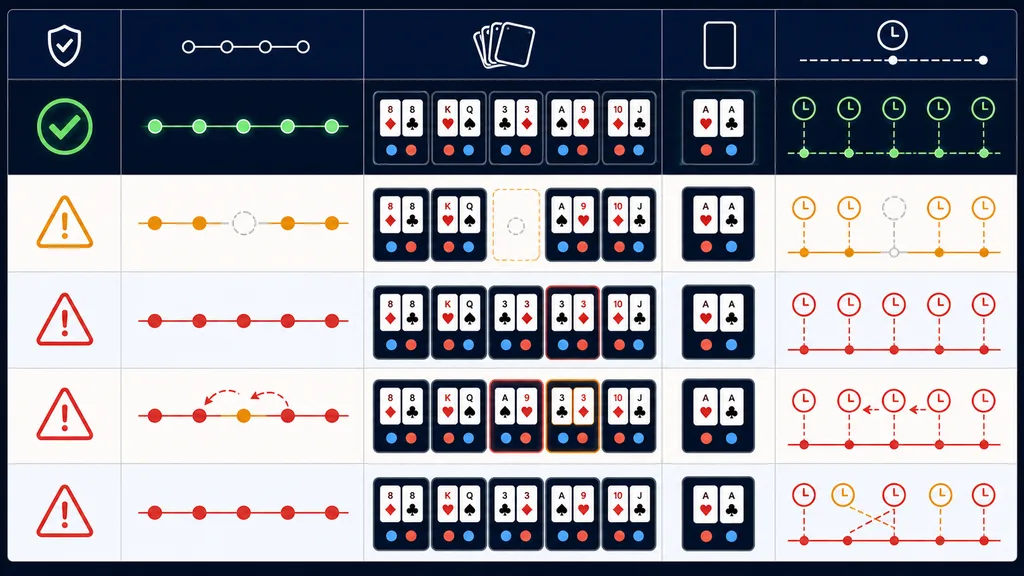
Baccarat RNG Output Audit: Reviewing Digital Baccarat Result Logs

If a baccarat game publishes thousands of digital outcomes, can those results be audited for randomness? Partly, with statistical limits. A Baccarat RNG Output Audit is a post-event review of observed result logs: it asks whether banker, player, tie, totals, card counts, and sequences look consistent with the expected model for that specific game.

This kind of audit is not a betting system and it is not a complete certification of the RNG. It is a disciplined way to identify whether the data appears ordinary, needs more sampling, or justifies deeper technical review.

바카라 RNG 출력 로그 감사 대시보드

What a Baccarat RNG Output Audit actually reviews

An output audit focuses on what the game produced, not directly on how the generator was coded. That separates it from a full RNG certification process, which may include source-code review, implementation checks, statistical testing, change control, and security controls.

Output testing is still useful because it works with real production evidence. It can show whether observed results are compatible with the published math. However, it cannot prove that the code, seed management, mapping logic, or deployment process is flawless. NIST describes statistical testing as a useful first step for random and pseudorandom generators, while also warning that no set of tests can absolutely certify a generator; see NIST SP 800-22 for that broader testing context.

The result log must be audit-ready before testing

A meaningful baccarat result log should include enough detail to reproduce the tested population. At minimum, an auditor wants hand ID, timestamp, table or game ID, game version, rule set, shoe or session ID, raw outcome, banker/player/tie classification, final totals, cards dealt, number of cards, and a flag for voided, cancelled, retried, or incomplete hands.

Timestamps and version numbers matter because a clean overall sample can hide a problem that appears only after a software update or only during one provider session. Voided hands matter because excluding or including them inconsistently can distort frequencies. If raw RNG values are available, they should be separated from player-facing outcomes, because mapping errors can occur between random numbers, virtual cards, and displayed results. For virtual shoe games, shuffle integrity and card mapping become part of the investigation boundary.

Baccarat needs a game-specific expected distribution

The benchmark must match the tested baccarat rules. Standard 8-deck punto banco is not the same as a commission-free variant, side-bet product, live shoe, or proprietary RNG table game. If a supplier provides a PAR sheet or math file, that document should define the expected distribution.

For standard 8-deck baccarat, commonly cited long-run outcome proportions are approximately 45.86% banker, 44.62% player, and 9.52% tie, depending on the exact counting convention. Detailed combinational benchmarks for baccarat hands are available from sources such as Wizard of Odds. Those probabilities also explain the baccarat house edge; they do not imply that short samples should match perfectly.

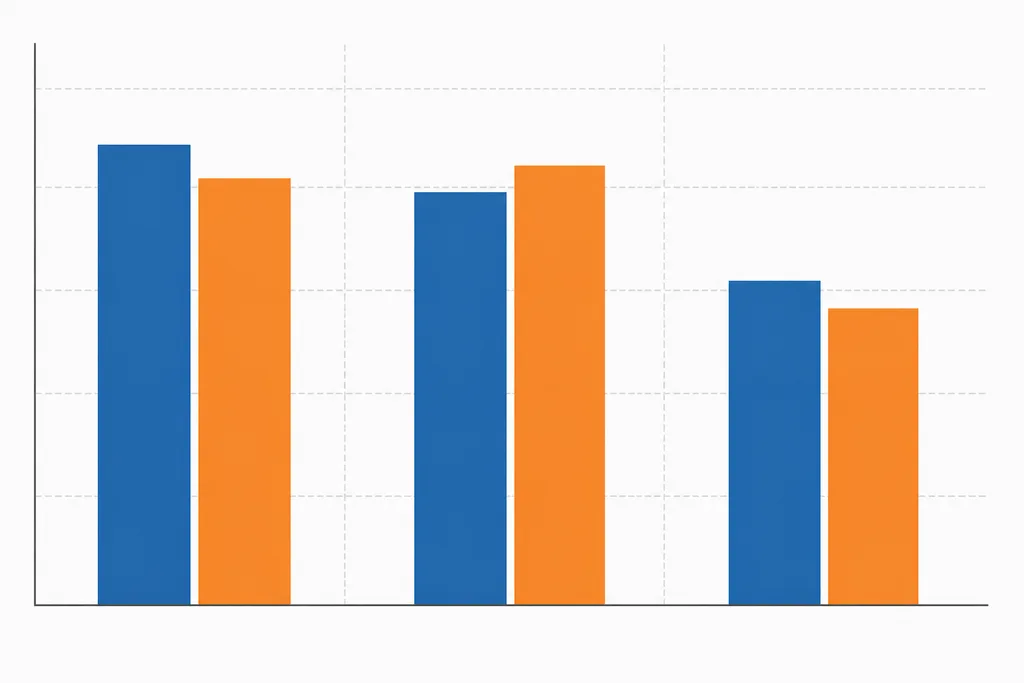
바카라 관측값과 기대값 분포 비교 막대그래프

First-line tests look for distribution bias

The first pass is usually simple: count outcomes and compare observed frequencies against expected probabilities. Confidence intervals help show whether a deviation is plausible for the sample size. For example, a small excess of banker results may be ordinary in 5,000 hands but more concerning if it persists across 5,000,000 hands and multiple independent periods.

A chi-square goodness-of-fit test is often used for banker/player/tie frequencies, final-total categories, number-of-card distributions, or other predefined buckets. The p-value estimates how unusual the data would be if the expected model were correct. It does not measure the probability that manipulation occurred. A very small p-value is a signal for replication and review, not a direct accusation.

Good audits also avoid testing only the most suspicious-looking category after seeing the data. If the plan includes 50 separate tests, some odd results may appear by chance. Multiple testing adjustments, documented thresholds, and a locked test plan reduce cherry-picking risk.

Sequence tests look for memory, cycles, and clustering

Baccarat output testing should not stop at totals. A biased generator or mapping issue might leave sequence-level traces even when headline frequencies look acceptable. Runs tests can compare the number and length of banker or player streaks against the expected distribution. Streaks are not automatically suspicious; baccarat naturally produces long runs from time to time.

Serial correlation and autocorrelation tests check whether one result helps predict the next beyond what the math model allows. A transition matrix can compare banker-to-banker, banker-to-player, tie-after-player, and similar transitions against expectation. Repeated blocks, identical session patterns, or drift by hour can suggest implementation, seeding, caching, or operational issues that require closer inspection.

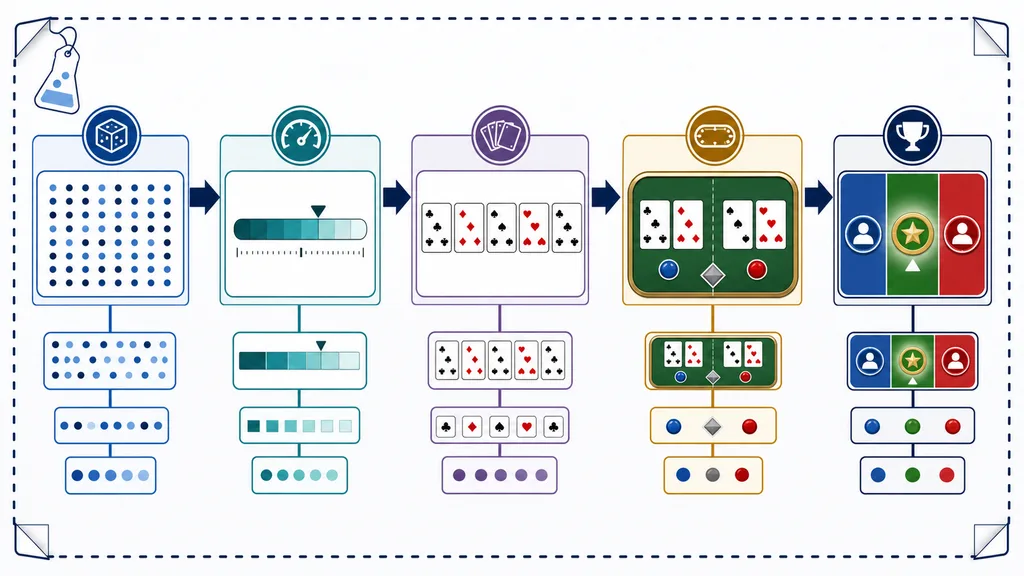
바카라 RNG 출력 감사 절차도

Sample size changes the meaning of every anomaly

Short baccarat logs are noisy. A tie drought, alternating pattern, or unusually long banker streak may feel strange to a human observer but still be compatible with randomness. Larger samples narrow confidence intervals and make persistent deviations easier to evaluate. Concepts such as Bayesian convergence can help explain why new evidence changes confidence gradually rather than instantly.

Before reviewing the data, an auditor should define the population, excluded records, expected distribution, tests, significance thresholds, and escalation rules. Pre-registration does not make the math perfect, but it makes the conclusion more credible.

Signals that justify deeper investigation

Red flags include banker/player/tie deviations that persist across large independent samples, unusual shifts after a software release, outcome changes tied to a specific table or session ID, abnormal final-total distributions, repeated blocks, or clustering that survives replication. A strong signal should be described carefully: within tolerance, requires replication, requires implementation review, or requires source and operational review.

An output audit cannot fully evaluate seed entropy, source-code quality, RNG state handling, deployment controls, or whether a certified version is the same version running in production. Industry standards and regulators often address broader technical and security expectations, but observed-output analysis remains only one layer of assurance.

A practical checklist for a Baccarat RNG Output Audit

  • Define the exact baccarat rule set, version, and expected math model.
  • Collect complete logs with hand IDs, timestamps, outcomes, totals, cards, sessions, and void flags.
  • Clean the data consistently and freeze the audit plan before looking for anomalies.
  • Compare observed and expected frequencies with intervals and chi-square tests.
  • Run sequence checks for runs, transitions, autocorrelation, repeated blocks, and session drift.
  • Adjust for multiple testing and avoid treating one short-sample streak as proof.
  • Escalate only when anomalies survive replication and match a plausible technical failure mode.

The responsible conclusion is rarely a dramatic pass-or-fail claim. A well-run Baccarat RNG Output Audit should state what was tested, what was not tested, how large the sample was, and whether the evidence is ordinary or needs deeper review. Fair randomness preserves the game’s published odds; it does not create a winning system.

Market Analysis

Online Baccarat Player Demographics 온라인 바카라 이용자층 분석

온라인 바카라 플레이어는 정말 고액 베팅을 즐기는 남성 중심 집단일까, 아니면 모바일 라이브 카지노 확산으로 더 넓은 이용자층으로 이동하고 있을까. online baccarat player demographics를 분석할 때 가장 먼저 확인해야 할 점은 바카라만 따로 떼어낸 전 세계 표준 인구통계가 매우 제한적이라는 사실이다. 따라서 신뢰도 있는 해석은 온라인 카지노, 비슬롯 카지노 게임, 라이브 딜러, 모바일 도박 참여 통계를 함께 읽는 방식으로 접근해야 한다.

이 글은 바카라 이용을 권유하기 위한 콘텐츠가 아니라, 운영자·연구자·콘텐츠 기획자·시장 분석가가 이용자층을 이해할 때 필요한 데이터 해석 프레임워크를 정리한 시장 분석 자료다.

online baccarat player demographics 연령 성별 디바이스 지역 행동 분석 프레임워크

Online baccarat player demographics가 실제로 의미하는 것

온라인 바카라 인구통계를 말할 때는 세 가지 층위를 구분해야 한다. 첫째는 바카라 단일 게임 이용자, 둘째는 온라인 카지노 이용자, 셋째는 라이브 딜러 카지노 이용자다. 세 집단은 겹치지만 완전히 같지 않다. 예를 들어 슬롯 이용자는 온라인 카지노 전체 통계에는 포함되지만 바카라 행동을 설명하는 데 직접 쓰기 어렵고, 라이브 딜러 이용자는 바카라와 관련성이 높지만 블랙잭·룰렛 이용자도 포함한다.

이 구분이 중요한 이유는 데이터의 출처마다 표본이 다르기 때문이다. 규제기관 조사는 국가별 합법 시장 안에서의 참여율을 보여주고, 시장조사기관 자료는 매출·플랫폼·성장률을 중심으로 제시되는 경우가 많다. 따라서 ‘온라인 바카라 플레이어의 정확한 글로벌 연령 분포는 X%’처럼 말하기보다는 ‘규제 데이터와 온라인 카지노 대리 지표를 보면 어떤 경향이 나타난다’고 해석하는 편이 안전하다.

바카라 자체의 게임 수학이나 낮은 규칙 복잡성은 이용자 진입 장벽을 낮출 수 있지만, 이는 승리 가능성을 보장한다는 뜻이 아니다. 게임 선택 동기를 이해하려면 바카라 하우스 엣지의 구조처럼 확률적 특성과 이용자 경험을 함께 봐야 한다.

바카라는 온라인 카지노 안에서 얼마나 큰 게임인가

바카라는 오프라인 하이엔드 카지노 이미지가 강하지만, 규제된 온라인 조사에서는 항상 최상위 대중 게임으로 나타나지는 않는다. 영국 Gambling Commission의 온라인 카지노 비슬롯 게임 조사에 따르면 바카라는 응답자 중 최근 12개월 지출 경험 10%, 최근 4주 지출 경험 9%로 나타났고, 조사 대상 게임 중 케노와 함께 낮은 축에 속했다. 이 수치는 UKGC의 비슬롯 온라인 카지노 핵심 조사에서 확인할 수 있다.

따라서 online baccarat player demographics를 분석할 때 ‘바카라가 온라인 카지노 전체를 대표한다’고 가정하면 안 된다. 더 현실적인 관점은 바카라가 전체 참여율 면에서는 제한적일 수 있지만, 라이브 딜러 포맷·모바일 접속·특정 지역 문화권·프리미엄 테이블 경험과 결합할 때 전략적 중요성이 커지는 게임이라는 해석이다.

핵심 인구통계 프로필

연령: 25~34세와 25~40세가 중요한 이유

이용자 연령은 가장 자주 언급되는 변수다. UKGC의 온라인 카지노 관련 조사에서 최근 4주 온라인 카지노 게임 지출자는 주로 25~34세에 집중되는 경향을 보였다. 미국 온라인 도박 시장 자료에서도 온라인 도박 전체 기준으로 25~40세 비중이 크게 제시된다. 다만 이는 바카라 단일 게임 자료가 아니라 온라인 도박 또는 온라인 카지노 전체 자료이므로, 바카라 플레이어에 그대로 대입해서는 안 된다.

합리적인 해석은 이렇다. 온라인 바카라의 성장층은 전통적 오프라인 카지노 고연령층보다 젊을 가능성이 높고, 특히 모바일 결제·실시간 스트리밍·짧은 세션에 익숙한 20대 후반~40세 전후 집단이 주요 관찰 대상이다. 반면 고액 테이블이나 장시간 분석형 이용에서는 중장년층 비중도 남아 있을 수 있다.

성별: 남성 편중은 있으나 단정은 금물

온라인 카지노 다수 카테고리에서는 남성이 여성보다 최근 지출 가능성이 높게 나타나는 경우가 많다. 미국 온라인 도박 시장 자료 역시 온라인 도박 전체 기준 남성 이용자 비중을 높게 제시한다. 하지만 ‘온라인 바카라 플레이어는 대부분 남성’이라고 단정하는 것은 위험하다. 라이브 딜러 포맷이 모바일 앱 안으로 들어오고, 카지노 콘텐츠가 엔터테인먼트형 스트리밍 경험과 결합하면서 여성 참여가 일부 시장에서 늘어날 수 있기 때문이다.

소득과 위험 성향: 추정 가능한 것과 불가능한 것

바카라는 빠른 결과, 단순한 선택지, 높은 테이블 한도를 제공하는 경우가 있어 위험 선호 이용자와 연결되어 설명되곤 한다. 그러나 소득 수준이나 자산 규모를 인구통계로 단정하려면 별도 설문이 필요하다. 실제 분석에서는 베팅 빈도, 세션 길이, 입금 간격, 손실 후 행동 같은 행동 지표를 더 조심스럽게 사용해야 한다. 손실 후 추가 베팅을 지속하는 행동은 시장 세그먼트가 아니라 책임도박 관점에서 관리해야 할 위험 신호다. 관련 행동 심리는 손실 회피와 베팅 지속성을 함께 보면 이해하기 쉽다.

모바일 이용이 온라인 바카라 이용자층을 바꾸는 방식

온라인 바카라의 현대적 이용자층을 설명할 때 디바이스는 연령만큼 중요하다. UKGC의 온라인 도박 심층 조사에서는 온라인 도박 접속 방식에서 모바일폰이 핵심 채널로 나타났고, 전체 온라인 도박 이용자의 약 절반이 스마트폰을 사용했으며, 18~34세 온라인 도박 이용자 중 약 75%가 스마트폰을 사용한 것으로 제시됐다. 또한 온라인 도박 이용자는 평균 약 3개 계정을 보유했고, 18~34세에서는 5개 이상 계정을 가진 비중이 더 높게 나타났다. 자세한 배경은 UKGC의 온라인 도박 심층 분석에서 확인할 수 있다.

online baccarat player demographics 모바일과 데스크톱 이용 차이

모바일 중심 이용자는 짧은 접속, 빠른 테이블 전환, 프로모션 확인, 라이브 딜러 입장 같은 행동을 보일 가능성이 있다. 반대로 데스크톱 이용자는 화면 공간이 넓어 통계표나 게임 기록을 더 오래 확인하는 분석형 세션에 적합하다. 이 차이는 제품 UX에도 영향을 준다. 모바일에서는 입장 전 정보, 세션 시간 알림, 예산 제한 기능이 더 명확해야 하며, 라이브 딜러 화면은 지연 시간과 가독성이 핵심이다. 라이브 포맷 자체의 특징은 라이브 딜러 바카라 구조를 통해 더 구체적으로 살펴볼 수 있다.

지역별 차이는 규제와 데이터 신뢰도에서 시작된다

영국: 규제 데이터가 비교적 풍부한 시장

영국은 온라인 도박 참여율과 게임 유형별 지출 경험을 비교적 체계적으로 공개하는 시장이다. UKGC Year 2 Wave 4 공식 통계에서는 영국 성인의 최근 4주 온라인 도박 참여율이 37%였고, 복권 전용 이용자를 제외하면 17%로 낮아진다. 이 차이는 중요하다. 온라인 도박 참여율이 높아 보이더라도 그중 상당수는 복권 중심 이용자이며, 온라인 바카라 같은 카지노 게임 이용자와는 다른 집단일 수 있다.

미국: 주별 합법화와 젊어지는 카지노 이용자층

미국은 주별로 iGaming 합법 범위가 다르기 때문에 전국 단일 인구통계로 해석하기 어렵다. 시장조사기관 자료는 미국 온라인 도박 시장이 빠르게 성장하고, 온라인 도박 전체 기준으로 남성·25~40세·모바일 이용 비중이 높다고 제시한다. 그러나 이는 온라인 바카라 단일 데이터가 아니라 스포츠베팅, 온라인 카지노, 포커 등 여러 범주가 섞인 전체 시장 관찰치다. AGA의 2024년 자료에서 카지노 방문객 평균 연령이 2019년 거의 50세에서 2023년 42세로 낮아졌다는 점은 카지노 이용자층의 젊어짐을 보여주는 보조 근거일 뿐, 온라인 바카라에 직접 적용할 수는 없다.

동남아: 모바일·라이브 카지노와 함께 읽어야 하는 시장

동남아 온라인 도박 시장 자료에서는 live casino, baccarat, mobile 같은 세그먼트가 함께 언급된다. 이는 바카라가 지역 시장 맥락에서 무시하기 어려운 게임이라는 신호지만, 특정 국가나 민족이 바카라를 선호한다고 일반화해서는 안 된다. 국가별 규제, 결제 접근성, 모바일 보급률, 라이브 카지노 공급 여부가 모두 다르다. 지역별 합법성은 항상 별도 확인이 필요하며, 이런 차이는 온라인 바카라 규제 지형과 함께 해석해야 한다.

online baccarat player demographics 영국 미국 동남아 지역 비교

행동 패턴으로 본 온라인 바카라 세그먼트

인구통계만으로 이용자를 이해하기는 어렵다. 같은 30대 남성이라도 모바일에서 가끔 라이브 테이블을 보는 이용자와 여러 계정을 오가며 프로모션을 비교하는 이용자는 완전히 다른 세그먼트다. 실무 분석에서는 연령·성별보다 행동 변수를 함께 보는 편이 더 유용하다.

세그먼트주요 특징분석 시 주의점
캐주얼 모바일 이용자짧은 세션, 스마트폰 중심, 낮은 진입 장벽일회성 방문과 반복 이용을 구분해야 함
라이브 딜러 선호층실시간 진행, 딜러 상호작용, 몰입감 중시바카라만이 아니라 블랙잭·룰렛 이용자와 겹침
프로모션 민감층보너스, 캐시백, 테이블 이벤트에 반응책임도박 기준과 광고 규제 준수가 필수
고빈도 또는 다계정 이용자여러 플랫폼 비교, 반복 접속, 긴 누적 시간손실 추격·과몰입 위험을 조기 감지해야 함

특히 고빈도 이용자는 가치가 높은 고객으로만 분류해서는 안 된다. 세션 시간, 입금 빈도, 한도 변경 요청, 야간 접속 증가 같은 지표는 위험 행동 탐지에도 활용되어야 한다. 시장 분석과 책임도박은 분리된 주제가 아니며, 지속 가능한 운영을 위해서는 세션 예산과 한도 관리를 콘텐츠와 제품 설계 모두에 반영해야 한다.

online baccarat player demographics 플레이어 세그먼트 매트릭스

시장 분석가와 운영자가 얻을 수 있는 시사점

첫째, 모바일 UX는 선택이 아니라 기본 전제다. 온라인 도박 전체에서 모바일·태블릿 매출 비중이 커지고 있으며, 젊은 이용자일수록 스마트폰 의존도가 높다. 바카라 콘텐츠를 분석하거나 설계할 때도 세로 화면, 빠른 로딩, 테이블 정보의 가독성, 세션 제한 안내가 핵심 변수다.

둘째, 지역별 메시지는 규제 기반으로 달라져야 한다. 영국에서는 공개 통계와 책임도박 기준을 바탕으로 보수적인 표현이 필요하고, 미국에서는 주별 합법 범위와 이용 가능 상품이 다르다. 동남아는 모바일 성장과 라이브 카지노 관련성이 크지만 국가별 규제가 불균형하므로 단일 시장처럼 다루면 안 된다.

셋째, 콘텐츠 전략은 ‘이기는 법’이 아니라 ‘이용자 행동의 이해’에 맞춰야 한다. online baccarat player demographics를 다룬 콘텐츠는 연령·성별만 나열하기보다, 어떤 데이터가 바카라 단일 자료이고 어떤 데이터가 온라인 카지노 전체의 대리 지표인지 명확히 밝혀야 신뢰를 얻는다.

핵심 정리

  • 바카라 단일 글로벌 인구통계는 제한적이므로 온라인 카지노·라이브 딜러·모바일 도박 데이터를 조합해 해석해야 한다.
  • 가용 데이터는 25~34세 또는 25~40세 전후의 젊은 성인층, 남성 편중, 모바일 중심 이용을 시사하지만 바카라 단일 비율로 단정할 수 없다.
  • UKGC 비슬롯 조사에서 바카라 지출 경험은 상대적으로 낮은 편이어서, 바카라를 온라인 카지노 전체 1위 게임처럼 표현하면 과장이다.
  • 미국·동남아 시장의 성장 수치는 온라인 도박 전체 또는 지역 시장 자료이므로, 바카라 플레이어 성별·연령으로 직접 치환하지 않아야 한다.
  • 가장 실무적인 세그먼트는 캐주얼 모바일, 라이브 딜러 선호, 프로모션 민감, 고빈도·다계정 이용자이며, 마지막 집단은 책임도박 관점에서 특히 주의해야 한다.

결론적으로 online baccarat player demographics는 하나의 고정된 초상화가 아니라 데이터 신뢰도와 지역 규제, 디바이스 전환, 라이브 카지노 경험이 겹쳐 만들어지는 동적인 분석 주제다. 좋은 분석은 매력적인 단정이 아니라 출처의 범위와 한계를 함께 보여주는 데서 시작된다.

Market Analysis

온라인 바카라 시장 동향 분석: 라이브 딜러와 모바일 전환이 바꾸는 iGaming 흐름

온라인 바카라 시장 동향 분석에서 가장 먼저 확인해야 할 점은 바카라가 독립된 글로벌 시장으로 집계되기보다 온라인 카지노, 라이브 딜러 카지노, 모바일 iGaming 시장 안의 핵심 콘텐츠로 해석된다는 사실입니다. 검색자가 기대하는 “바카라 시장 규모”는 대개 공식 통계에서 단일 항목으로 분리되지 않습니다. 따라서 정확한 분석은 온라인 도박 시장의 성장, 카지노 부문의 비중, 라이브 스트리밍 게임의 확산, 지역별 규제 변화를 함께 읽는 방식이 필요합니다.

온라인 바카라 시장 동향 분석과 라이브 딜러 카지노 성장

온라인 바카라 시장 동향 분석에서 먼저 봐야 할 흐름

온라인 바카라의 성장은 단순히 한 카드 게임의 인기 상승만으로 설명하기 어렵습니다. 더 큰 배경에는 오프라인 카지노 경험을 영상으로 옮기는 라이브 딜러 기술, 스마트폰 중심의 이용 행태, 계정 인증과 결제 인프라, 합법화와 규제 정비가 있습니다. 이 네 가지가 맞물리면서 바카라는 온라인 카지노 사업자가 제공하기 쉬운 대표 라이브 게임으로 자리 잡았습니다.

Mordor Intelligence의 온라인 도박 시장 자료는 글로벌 온라인 도박 시장이 2026년 약 1,203억5천만 달러에서 2031년 약 2,119억9천만 달러로 성장할 수 있으며, 연평균 성장률을 약 11.99%로 제시합니다. 이 수치는 바카라 단독 매출이 아니라 온라인 도박 전체 시장 전망입니다. 다만 카지노 부문과 모바일 플랫폼의 확대는 바카라 수요를 추정할 때 중요한 간접 지표가 됩니다.

핵심은 성장과 안전성을 분리해 보는 것입니다. 시장이 커진다는 사실이 플레이어의 승률 상승이나 손실 위험 감소를 뜻하지는 않습니다. 바카라의 기대값은 게임 규칙, 수수료, 베팅 구조에 의해 결정되며 시장 규모와는 별개입니다. 이 지점을 놓치면 시장 분석이 참여 유도나 과장된 수익 기대와 혼동될 수 있습니다.

바카라는 왜 온라인 카지노와 라이브 딜러 시장으로 읽어야 할까

온라인 도박 보고서에서 스포츠 베팅, 카지노, 포커, 빙고처럼 큰 카테고리는 비교적 자주 분리되지만, 바카라·룰렛·블랙잭 같은 개별 테이블 게임의 글로벌 매출은 공개적으로 일관되게 집계되지 않는 경우가 많습니다. 그래서 온라인 바카라 시장을 분석할 때는 “바카라 단일 시장”보다 “온라인 카지노 안에서 바카라가 어떤 위치를 갖는가”를 보는 편이 현실적입니다.

바카라는 규칙이 비교적 단순하고 게임 진행이 빠르며, 플레이어가 복잡한 의사결정을 반복하지 않아도 되는 구조입니다. 이런 특성은 라이브 딜러 환경과 잘 맞습니다. 사업자 입장에서는 한 명의 딜러와 한 테이블을 통해 다수 이용자를 동시에 수용할 수 있고, 이용자 입장에서는 실제 카드와 딜러 화면을 보며 RNG 기반 게임보다 직관적인 신뢰감을 느낄 수 있습니다. 라이브 포맷의 구조는 라이브 딜러 카지노 분석에서 자주 언급되는 핵심 성장 요인입니다.

글로벌 온라인 도박 시장이 바카라에 주는 의미

전체 온라인 도박 시장의 확대는 온라인 바카라에 세 가지 의미를 줍니다. 첫째, 플랫폼 사업자가 더 많은 테이블 게임과 라이브 스튜디오에 투자할 여력이 생깁니다. 둘째, 모바일 최적화와 결제 편의성이 개선되며 접근성이 높아집니다. 셋째, 합법 시장이 커질수록 라이선스, KYC, AML, 이용자 보호 체계가 경쟁력의 일부가 됩니다.

특히 모바일·태블릿 플랫폼의 비중 확대는 바카라에 직접적인 영향을 줍니다. 온라인 바카라는 긴 전략 설명보다 짧은 세션, 세로형 화면, 빠른 접속, 안정적인 영상 송출이 중요합니다. 시장 자료에서 모바일·태블릿이 온라인 도박 매출의 큰 비중을 차지하고 향후에도 빠르게 성장할 것으로 제시되는 이유도 이와 연결됩니다.

다만 데이터 해석에는 주의가 필요합니다. “온라인 카지노 시장 성장”은 슬롯, 룰렛, 블랙잭, 바카라, 게임쇼형 라이브 콘텐츠까지 포함할 수 있습니다. 따라서 특정 보고서의 카지노 부문 성장률을 그대로 온라인 바카라 성장률로 바꾸어 말하는 것은 부정확합니다. 온라인 바카라 시장 동향 분석은 직접 통계가 부족한 영역을 간접 지표로 읽는 작업에 가깝습니다.

글로벌 온라인 도박 시장 규모와 성장률 전망

온라인 바카라 성장을 이끄는 주요 동인

첫 번째 동인은 라이브 딜러 카지노의 확산입니다. 과거 온라인 바카라는 주로 RNG가 결과를 산출하는 디지털 테이블 형태였습니다. 최근에는 스튜디오에서 딜러가 실제 카드를 배분하고 이를 실시간 영상으로 송출하는 방식이 보편화되면서, 오프라인 카지노와 온라인 플랫폼의 경계가 흐려졌습니다.

두 번째 동인은 모바일화입니다. 스마트폰 화면에서 카드 결과, 배당, 채팅, 베팅 제한, 게임 기록을 한 번에 확인해야 하므로 UI 설계가 시장 경쟁력으로 떠올랐습니다. 모바일 우선 설계는 단순한 화면 축소가 아니라 지연 시간, 터치 오류 방지, 책임도박 알림, 계정 보안까지 포함하는 운영 과제입니다.

세 번째 동인은 고속 인터넷과 저지연 스트리밍입니다. 라이브 바카라는 영상이 끊기거나 카드 판독이 지연되면 신뢰가 흔들립니다. 5G와 광대역 인터넷, 클라우드 송출 기술은 라이브 딜러 게임의 품질을 높이지만, 실제 성능은 지역 인프라와 사업자의 투자 수준에 따라 달라집니다.

네 번째 동인은 디지털 결제와 계정 인증입니다. 합법 시장에서는 빠른 입출금만큼이나 본인확인, 자금세탁방지, 이상 거래 탐지가 중요합니다. 결제 편의성이 높아질수록 과도한 지출을 막기 위한 한도 설정과 경고 시스템도 함께 강화되어야 합니다.

다섯 번째 동인은 지역별 합법화와 규제 정비입니다. 라이선스 제도는 시장을 제도권으로 끌어들이는 성장 요인이지만 동시에 세금, 감사, 보고 의무, 광고 제한 같은 비용을 만듭니다. 사업자에게 규제는 기회이자 진입 장벽이며, 이용자에게는 보호 장치이자 접근 제한으로 작용합니다.

온라인 바카라 시장 성장을 이끄는 주요 요인

라이브 딜러 바카라가 시장의 중심이 된 이유

라이브 바카라가 주목받는 가장 큰 이유는 신뢰의 시각화입니다. RNG 바카라는 소프트웨어와 난수 생성 인증을 기반으로 공정성을 설명하지만, 일반 이용자에게는 그 과정이 보이지 않습니다. 반면 라이브 바카라는 딜러, 슈, 카드, 결과 처리가 화면에 표시되므로 투명하다는 인상을 주기 쉽습니다. 물론 영상으로 보인다고 해서 모든 위험이 사라지는 것은 아니며, 라이선스와 운영 감사가 여전히 중요합니다.

운영 효율도 큽니다. 바카라는 블랙잭처럼 각 플레이어가 개별 의사결정을 많이 하는 게임이 아니기 때문에, 한 라운드에 많은 이용자를 동시에 수용하기 쉽습니다. 이 구조는 라이브 스튜디오의 수익성과 확장성에 유리합니다. 또한 아시아권에서 바카라 선호도가 높다는 문화적 배경은 글로벌 라이브 카지노 사업자가 바카라 테이블을 적극적으로 배치하는 이유 중 하나로 자주 거론됩니다.

RNG 바카라와 라이브 바카라의 차이는 신뢰를 만드는 방식에서도 갈립니다. RNG 방식은 독립 시험기관의 검증, 난수 알고리즘, 지급률 감사가 핵심이고, 라이브 방식은 물리적 카드 운영, 영상 송출, 딜러 절차, 테이블 모니터링이 중요합니다. 자세한 기술적 맥락은 온라인 바카라 공정성 검증을 함께 보면 이해하기 쉽습니다.

지역별 시장 환경은 규제에 따라 크게 달라진다

유럽은 비교적 성숙한 온라인 도박 시장으로 분류됩니다. 다수 국가가 라이선스 제도와 세금 체계를 갖추고 있으며, 광고 제한과 이용자 보호 규정도 강화되는 추세입니다. 유럽 시장에서는 성장률만큼이나 규정 준수 비용, 국경 간 서비스 제한, 사업자 통합이 중요한 변수로 작용합니다.

영국은 공식 통계와 규제 감독이 비교적 체계화된 시장입니다. 영국 도박위원회는 시장 규모, 참여율, 산업 통계, 이용자 보호 정책을 지속적으로 공개하며, 온라인 카지노 사업자는 엄격한 라이선스 조건을 따라야 합니다. 이런 환경에서는 단순히 게임 수를 늘리는 것보다 안전장치, 광고 책임, 취약 이용자 보호가 시장 신뢰를 좌우합니다.

북미는 주별·관할권별 합법화 속도 차이가 큰 지역입니다. 일부 지역에서는 온라인 카지노와 스포츠 베팅이 빠르게 제도권으로 들어오고 있지만, 다른 지역은 여전히 제한적입니다. 따라서 북미 온라인 바카라 시장은 단일 국가 시장처럼 보기보다 각 주의 라이선스 조건과 세율, 허용 게임 범위를 나누어 봐야 합니다.

아시아는 바카라 수요가 높게 평가되는 지역이지만 규제 지형은 매우 복잡합니다. 국가별로 허용 범위가 크게 다르고, 역외 사업자 문제와 불법 플랫폼 리스크도 함께 존재합니다. 온라인 도박 법규는 자주 바뀌므로 지역별 판단은 반드시 최신 현지 법규와 감독기관 기준을 확인해야 합니다. 큰 틀의 비교는 온라인 도박 규제 지형과 연결해 볼 수 있습니다.

지역별 온라인 바카라 규제와 시장 환경 비교

기술 변화는 성장과 감시를 동시에 강화한다

AI, 데이터 분석, 개인화 추천은 온라인 바카라 시장에서도 관심을 받지만 과장해서 볼 필요는 없습니다. 실제 채택은 사업자 규모, 라이선스 조건, 개인정보 규제, 기술 비용에 따라 달라집니다. 긍정적으로는 이상 거래 탐지, 미성년자 접근 차단, 문제성 이용 패턴 감지에 활용될 수 있습니다. 반대로 과도한 개인화가 더 긴 이용 시간이나 충동적 지출을 유도한다면 규제 논란이 커질 수 있습니다.

공정성 인증 역시 시장 신뢰의 핵심입니다. RNG 게임은 알고리즘 검증과 정기 감사가 중요하고, 라이브 게임은 카드 취급 절차, 스튜디오 보안, 결과 기록, 영상 품질 관리가 중요합니다. 이용자는 특정 플랫폼을 평가할 때 화려한 화면보다 라이선스, 감사 정보, 이용 제한 도구, 고객 자금 보호 정책을 먼저 확인해야 합니다.

시장 성장의 리스크를 함께 봐야 한다

온라인 바카라 시장이 커질수록 규제 공백과 역외 사업자 문제도 부각됩니다. 합법 시장은 감독과 분쟁 해결 절차를 제공하지만, 무허가 사이트는 자금 보호, 개인정보 보안, 결과 검증, 이용자 보호 장치가 취약할 수 있습니다. 특히 국경을 넘는 온라인 서비스는 이용자가 어느 관할권의 보호를 받는지 불명확한 경우가 있습니다.

도박 피해도 시장 분석에서 빠질 수 없습니다. WHO의 도박 관련 팩트시트는 온라인 접근성과 스마트폰 확산이 도박 참여를 쉽게 만들 수 있으며, 도박 장애와 재정·정신건강 피해가 공중보건 문제로 다뤄져야 한다고 설명합니다. 따라서 “합법 플랫폼이면 안전하다”거나 “책임도박 도구만 있으면 문제가 없다”는 식의 단정은 위험합니다.

또한 시장 성장과 플레이어 수익성을 연결해서는 안 됩니다. 바카라의 하우스 엣지는 게임 구조에 내재한 통계적 조건이며, 장기적으로 사업자에게 유리하게 설계됩니다. 바카라 하우스 엣지를 이해하면 시장 규모, 라이브 화질, 플랫폼 인지도와 개인의 기대값은 별개의 문제라는 점을 분명히 알 수 있습니다. 이용 한도와 손실 제한의 원칙은 책임 있는 바카라 이용의 기본 전제입니다.

향후 온라인 바카라 시장 전망

향후 온라인 바카라 시장은 라이브 포맷, 모바일 우선 설계, 규제 준수 역량을 중심으로 재편될 가능성이 높습니다. 라이브 딜러 바카라는 단순한 게임 제공을 넘어 스튜디오 운영, 다국어 딜러, 지역별 테이블, 저지연 송출, 실시간 모니터링이 결합된 콘텐츠 산업에 가까워지고 있습니다.

동시에 규제 비용은 사업자 전략을 바꿀 것입니다. 세금과 라이선스 비용이 높은 시장에서는 대형 사업자 중심의 통합이 진행될 수 있고, 광고 제한이 강화되면 브랜드 신뢰와 기존 고객 관리가 더 중요해집니다. 이용자 보호 기준을 충족하지 못하는 사업자는 합법 시장에서 경쟁하기 어려워질 수 있습니다.

결론적으로 온라인 바카라 시장 동향 분석의 핵심은 “성장하는 게임”이 아니라 “규제와 기술의 영향을 강하게 받는 온라인 카지노 콘텐츠”로 보는 데 있습니다. 라이브 딜러와 모바일 전환은 시장 확대를 이끌지만, 이용자 입장에서는 성장률을 승률이나 수익 가능성으로 오해하지 않아야 합니다. 온라인 바카라를 둘러싼 시장은 커질 수 있지만, 공정성 검증, 현지 규제, 데이터 보안, 도박 피해 리스크를 함께 확인하는 균형 잡힌 관점이 더 중요합니다.

자주 묻는 질문

온라인 바카라 시장은 실제로 성장하고 있나요?

바카라 단독 공식 통계는 제한적이지만, 온라인 도박·온라인 카지노·라이브 딜러 시장의 성장 흐름을 보면 온라인 바카라도 그 안에서 중요한 콘텐츠로 확대되고 있다고 해석할 수 있습니다.

라이브 바카라와 RNG 바카라 중 어느 쪽이 더 주목받나요?

최근 시장 관심은 라이브 딜러 바카라에 더 많이 쏠립니다. 실제 딜러와 카드가 보이는 영상 경험, 모바일 스트리밍 기술, 다수 이용자 수용 구조가 성장 요인으로 작용합니다.

시장 성장이 플레이어에게 유리한 조건을 뜻하나요?

아닙니다. 시장 규모가 커져도 바카라의 기대값과 하우스 엣지는 게임 규칙에 따라 결정됩니다. 성장 전망은 산업 지표일 뿐 개인의 수익 가능성을 보장하지 않습니다.

Algorithmic Audits

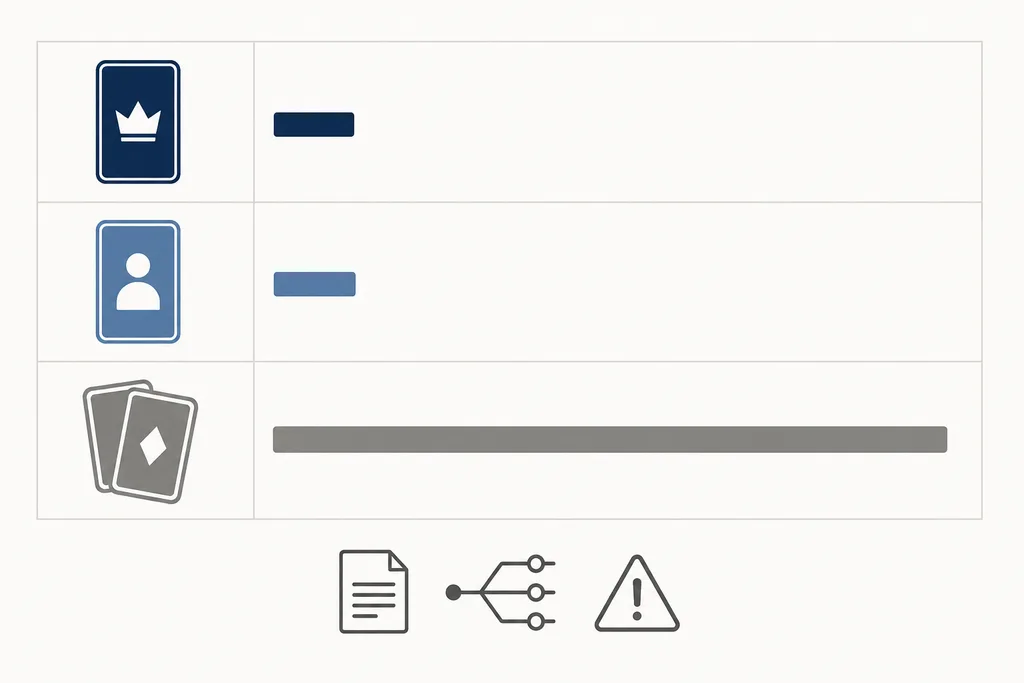
RNG Audit Report Analysis: 카지노 무작위성 보고서 읽는 법

RNG Audit Report Analysis에서 가장 먼저 버려야 할 습관은 첫 페이지의 “Result: Pass”만 보고 판단을 끝내는 것입니다. RNG 감사 보고서는 플레이어에게 유리한 게임을 보장하는 문서가 아니라, 특정 버전의 무작위 생성기와 그 구현이 정해진 기준과 범위 안에서 테스트를 통과했다는 기술 문서입니다. 따라서 좋은 보고서일수록 “무엇을 테스트했는가”, “무엇은 테스트하지 않았는가”, “운영 중인 코드와 보고서의 코드가 같은가”를 구체적으로 보여줍니다.

온라인 카지노, 디지털 바카라, 슬롯, 룰렛처럼 RNG 기반 결과를 쓰는 게임을 검토할 때 이 차이는 중요합니다. 인증은 승리 보장이 아니며, 하우스 엣지를 없애지도 않습니다. 다만 결과 생성 과정이 편향 없이 설계·구현되었는지 확인할 근거를 제공합니다.

RNG 감사 보고서 첫 페이지의 주요 필드 주석

보고서가 실제로 인증하는 것은 결과가 아니라 과정입니다

RNG는 보통 raw output, 즉 기본 숫자 흐름을 만들고 게임 엔진은 이를 카드, 슬롯 릴, 룰렛 포켓 같은 player-facing outcome으로 변환합니다. 예를 들어 바카라에서는 난수가 가상 슈의 카드 순서나 카드 선택 절차에 적용될 수 있고, 슬롯에서는 심볼 위치나 릴 정지 지점으로 매핑됩니다. 이때 보고서가 확인하는 것은 “다음 판에 누가 이기는가”가 아니라, 이러한 생성·변환 과정이 기준에 맞게 작동하는가입니다.

따라서 “Passed”는 항상 문장 뒤에 조건이 붙습니다. 특정 RNG 버전, 특정 소프트웨어 빌드, 특정 플랫폼, 특정 관할 표준, 특정 테스트 범위에서 통과했다는 뜻입니다. RNG 인증 절차 자체가 궁금하다면 how RNG certification works를 먼저 보고, 실제 보고서를 해석할 때는 아래 항목을 하나씩 대조하는 방식이 더 안전합니다.

첫 페이지에서 실험실, 기준, 버전부터 확인해야 합니다

테스트 기관 이름만으로 충분하지 않습니다

GLI, iTech Labs, eCOGRA 같은 독립 테스트 기관은 RNG 테스트와 인증에서 자주 등장합니다. 그러나 로고나 기관명만 보는 것은 부족합니다. 보고서 발행 주체, 승인자 이름 또는 직책, certificate reference, 연락처, 등록·인정 정보, 발행일을 함께 확인해야 합니다. PDF가 이미지 한 장으로만 제공되고 원본 문서의 식별 번호나 검증 경로가 없다면 투명성이 낮다고 보는 편이 합리적입니다.

관할 기준과 기술 표준은 보고서의 언어를 결정합니다

같은 RNG라도 어떤 기준으로 테스트했는지에 따라 보고서의 의미가 달라집니다. 예를 들어 UK Remote Gambling and Software Technical Standards, GLI-11, GLI-19 등은 적용 대상과 요구사항이 다릅니다. UK Gambling Commission의 testing procedure는 RNG 문서 검토, 알고리즘 또는 하드웨어 취약점 조사, 소스코드 검토, raw output 및 scaled/shuffled data의 통계 테스트, 부적합 사항 재평가를 포함하는 흐름을 설명합니다. 보고서에 표준명이 없으면 “무엇에 대해 통과했는지”가 흐려집니다.

제품 버전과 디지털 지문은 운영 코드와 연결됩니다

RNG version, software number, 플랫폼 버전, key files, checksums, MD5·SHA-1·SHA-256 해시 또는 digital signature는 보고서와 실제 운영 코드가 같은지를 이어 주는 단서입니다. 버전이 바뀌면 기존 보고서는 부분적으로만 유효할 수 있습니다. 특히 원격 게임 서버나 바카라 슈 로직이 업데이트되었는데 보고서 날짜가 그 이전이라면 재검증 범위를 확인해야 합니다.

많은 독자가 건너뛰는 scope가 가장 중요합니다

Scope of testing은 보고서의 심장입니다. 여기에는 RNG만 보았는지, 게임 수학과 RTP도 포함했는지, 플랫폼 통합까지 확인했는지, 소스코드와 실행 파일을 함께 비교했는지 등이 적힙니다. “RNG report”라는 제목이 전체 카지노 플랫폼의 보안, 자금 지급 능력, 고객 보호, 운영 윤리를 보증하는 것은 아닙니다.

raw output, scaled output, shuffled output은 서로 다릅니다

Raw output은 생성기가 처음 내놓는 숫자입니다. Scaled output은 그 숫자를 0~36 룰렛 포켓, 슬롯 릴 위치, 카드 인덱스처럼 게임 결과 범위로 변환한 값입니다. Shuffled output은 카드 게임에서 난수가 덱 순서나 가상 슈 배열에 적용된 결과입니다. 원시 난수가 좋아도 scaling 방식에 modulo bias가 있거나, 셔플 과정이 특정 카드 위치를 과소·과대 생성하면 실제 게임 결과는 편향될 수 있습니다. 바카라 문맥에서는 shuffle integrity in baccarat가 raw RNG만큼 중요합니다.

RNG 원시 출력이 게임 결과로 변환되는 흐름도

통계 테스트는 무엇을 증명하려는가

uniformity는 기대 빈도와의 차이를 봅니다

Uniformity 테스트는 가능한 결과가 기대 빈도에 맞게 고르게 나타나는지 봅니다. 바카라 카드 값, 슬롯 심볼, 룰렛 포켓이 장기 샘플에서 특정 방향으로 쏠리면 공정성 문제가 될 수 있습니다. 단, 짧은 구간에서 플레이어 또는 뱅커가 연속으로 나온다는 사실만으로 uniformity 위반이라고 말할 수는 없습니다. 보고서는 충분한 샘플 크기와 테스트 방법을 제시해야 합니다.

independence는 예측 가능성을 줄이는 핵심입니다

Independence는 이전 결과가 다음 결과를 예측하게 만들지 않는 성질입니다. “방금 뱅커가 세 번 나왔으니 다음은 플레이어”라는 식의 감각은 독립성 검증이 아닙니다. 감사 보고서는 대량 샘플에서 serial correlation, runs test, autocorrelation 등 패턴 신호를 확인했는지 보여줄 수 있습니다. 독립성이 약하면 결과 예측 가능성이나 순서 편향 문제가 생길 수 있습니다.

p-value는 무작위일 확률이 아닙니다

p-value는 “이 RNG가 무작위일 확률”이 아니라, 무작위라는 가정 아래 관측된 편차가 얼마나 이례적인지를 보여주는 통계 신호입니다. NIST SP 800-22는 난수·의사난수 생성기 평가용 통계 테스트를 제공하지만, 통계 테스트가 cryptanalysis를 대체하거나 특정 용도에 대한 절대적 적합성을 보증하지 않는다고 설명합니다. 또한 많은 테스트를 동시에 수행하면 일부 경계값이나 실패가 나올 수 있으므로, 보고서가 이를 어떻게 재검토하고 결론 내렸는지 읽어야 합니다.

출력 테스트만 통과해도 구현 문제는 남을 수 있습니다

좋은 통계 결과가 있다고 해서 구현 리스크가 사라지는 것은 아닙니다. 소스코드에서 seed를 부적절하게 만들거나, scaling 함수가 최종 빌드와 다르거나, 테스트용 도구가 실제 운영 함수와 다른 호출을 쓰면 보고서의 의미가 약해집니다. GLI의 제출 가이드는 최종 production에 가까운 RNG application, 동일한 functions와 scaling methodology, raw output collection tool, final outcome collection tool, key files와 checksums, 소스코드 문서화를 중시합니다. iTech Labs와 eCOGRA 역시 source code evaluation, raw 및 scaled/shuffled output testing, seed generation 검토, 주기적 테스트를 언급합니다.

Seed generation과 entropy도 핵심입니다. 강한 PRNG라도 seed가 반복되거나 예측 가능하면 결과가 노출될 수 있습니다. 다만 공개 보고서만으로 특정 사업자의 seed entropy가 충분하거나 부족하다고 단정해서는 안 됩니다. 필요한 것은 “seed source를 검토했는가”, “환경 의존성이 명시되었는가”, “운영 조건이 제한되어 있는가”를 확인하는 태도입니다.

제한 조건은 작은 글씨가 아니라 적용 범위입니다

“The scope was limited to…” 같은 문구는 반드시 읽어야 합니다. 샘플 RNG 보고서들은 software verification, source code review, data analysis/statistical testing처럼 범위를 나누어 적는 경우가 많습니다. 어떤 보고서는 replacement 또는 without replacement 조건, 특정 degrees of freedom, 운영체제 의존성, 하드웨어 난수원 조건을 제한으로 둡니다. 이 조건을 벗어난 사용은 통과 결과를 그대로 적용하기 어렵습니다.

업데이트도 중요합니다. RNG나 RGS 변경이 여러 게임의 공정성에 영향을 줄 수 있다면 대표 샘플 재테스트, 테스트 하우스 협의, 재인증이 필요할 수 있습니다. 오래된 보고서 자체가 곧 조작의 증거는 아니지만, 이후 버전 변경 이력과 연결되지 않으면 검증 가능성이 떨어집니다.

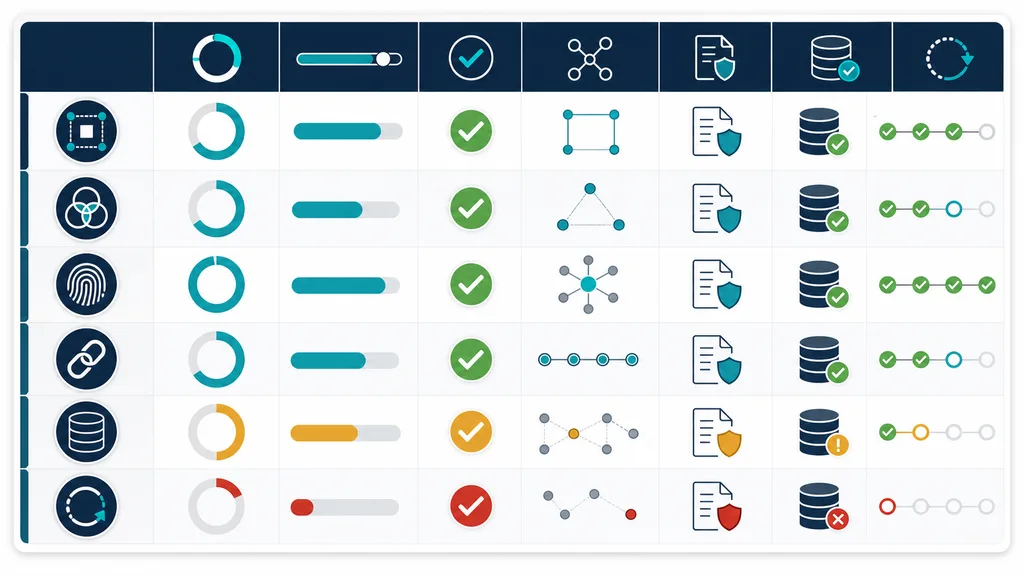
RNG Audit Report Analysis에서 보이는 위험 신호

  • 보고서 발행 기관, 승인자, certificate reference가 불명확합니다.
  • 테스트 기준이나 관할 표준이 빠져 있습니다.
  • RNG 버전, 소프트웨어 번호, digital signature, checksum이 없습니다.
  • scope는 좁은데 마케팅에서는 “fully certified”처럼 과장합니다.
  • raw output만 테스트했고 scaled output 또는 shuffled output 검증이 불명확합니다.
  • source code review, seed generation, algorithm review 언급이 없습니다.
  • “passed”는 있지만 어떤 통계 테스트가 적용됐는지 설명하지 않습니다.
  • 보고서 날짜가 오래됐고 이후 소프트웨어 업데이트 이력이 있습니다.
  • limitations 또는 “not intended for” 문구가 있는데 홍보 자료에서 생략합니다.
  • 원본 PDF나 검증 가능한 링크 없이 캡처 이미지로만 제시됩니다.
RNG 감사 보고서 분석 체크리스트와 위험 신호

실제 보고서를 옆에 두고 읽는 순서

  1. 발행 기관, 보고서 날짜, certificate reference를 확인합니다.
  2. 제품명, RNG 버전, 소프트웨어 번호, 플랫폼 버전을 찾습니다.
  3. 관할 기준과 기술 표준이 무엇인지 확인합니다.
  4. scope of testing에서 포함·제외 항목을 표시합니다.
  5. raw output, scaled output, shuffled output 테스트 여부를 구분합니다.
  6. source code review와 seed·algorithm 검토가 있었는지 봅니다.
  7. key files, checksum, digital signature가 있는지 확인합니다.
  8. limitations, conditions, intended use 문구를 읽습니다.
  9. 결과가 단순 pass인지, 조건부 pass인지 확인합니다.
  10. 운영 사이트의 현재 버전이 보고서 버전과 일치하는지 대조합니다.

감사 보고서가 말해 주지 않는 것

RNG audit report는 플레이어가 이길 가능성이 높다는 뜻이 아닙니다. 단기 결과를 예측할 수 있다는 뜻도 아니며, 카지노의 모든 운영 리스크를 제거하지도 않습니다. 인증된 RNG가 있어도 게임의 RTP와 하우스 엣지는 별도의 수학적 구조로 남아 있습니다. 보고서의 가치는 승리 약속이 아니라 특정 범위 안에서 공정성 검증 근거를 제공한다는 데 있습니다.

좋은 RNG 감사 보고서는 구체적이고, 최신이며, 범위가 명확하고, 서명 또는 디지털 지문으로 추적 가능하며, 통계 테스트와 구현 검토가 투명합니다. 반대로 모호한 “인증됨” 문구만 있고 버전·scope·제한 조건이 없다면 그 자체로 조작을 단정할 수는 없지만, 신뢰를 판단할 자료가 부족하다고 보아야 합니다. 결국 RNG Audit Report Analysis의 핵심은 “통과했는가”보다 “무엇이, 어떤 조건에서, 어떤 증거로 통과했는가”를 묻는 데 있습니다.

Behavioral Studies

Baccarat Decision Fatigue: Why Long Sessions Distort Betting Judgment

If baccarat has only three main bets, why do players still make worse decisions after an hour? The answer is not that the cards become harder to understand. Baccarat decision fatigue describes what can happen when repeated hands, fast feedback, losses, and scoreboard cues gradually push a player from planned choices into quicker, more emotional reactions.

Baccarat decision fatigue during a long betting session

What is Baccarat decision fatigue?

Decision fatigue generally means a decline in decision efficiency or quality after repeated choices or sustained mental effort. In gambling contexts, it is best treated as a useful behavioral lens, not a settled biological law. Research on choice overload and self-control, including work associated with Kathleen Vohs and colleagues, suggests that repeated choosing can affect later self-control, but broader “ego depletion” claims have also faced replication debate.

For baccarat, the point is practical: fatigue does not prove that a player will lose after a specific number of minutes. It helps explain why a person who began with clear limits may later shorten pauses, ignore their plan, chase losses, or treat a random streak as meaningful.

Why simple baccarat choices become mentally expensive

Baccarat looks cognitively light because the main decisions are usually Banker, Player, or Tie. Yet the table creates many small pressures: repeated outcomes, near-immediate feedback, changing chip stacks, scoreboard history, other players’ reactions, and the temptation to make “just one more” decision. In live and online environments, the pace can reduce natural stopping points, especially when the next hand is available quickly.

Repetition also turns analysis into autopilot. A player may begin by asking, “Does this bet fit my plan?” Later, the question becomes, “What feels due?” That shift matters. Autopilot is not always reckless in daily life, but at a baccarat table it can make emotional cues feel like evidence.

Decision fatigue loop in baccarat betting behavior

The math does not change when your brain gets tired

The game’s probabilities do not respond to fatigue, frustration, or confidence. According to the Wizard of Odds house edge table, standard baccarat house edge estimates are about 1.06% for Banker, 1.24% for Player, and 14.36% for Tie. Banker may be the lowest-house-edge basic bet, but it still has negative expectation. A low house edge is not permission to extend a session indefinitely.

The Tie bet is especially relevant to Baccarat decision fatigue. Its high payout can become more attractive when a player feels stuck, bored, or eager to recover quickly. That does not make it predictive. Under fatigue, the mind may overvalue dramatic recovery and undervalue probability. For a deeper mathematical background, see our guide to baccarat house edge.

Baccarat bet type vs fatigue risk

Bet typeMath realityFatigue-driven misconceptionSafer behavioral rule
BankerLowest common house edge, still negative expectation“Banker is safe for long sessions”Use only within pre-set time and loss limits
PlayerSlightly higher house edge than Banker“Player must balance the shoe now”Do not treat recent history as a correction signal
TieMuch higher house edge in standard rules“A big payout can fix the session”Avoid using it as an emotional recovery bet

Behavioral signs that judgment is slipping

Fatigue is easiest to miss because it often feels like confidence. Watch for changes in process, not just results. Warning signs include shorter pauses between hands, increasing stake size without a pre-written reason, irritation after ties or small losses, switching from rules to “gut feeling,” and reading the scoreboard as if it predicts the next result.

  • You place bets faster than you did at the start.
  • You change your unit size after a loss without a plan.
  • You say Banker, Player, or Tie is “due.”
  • You keep playing mainly to get even.
  • You ignore a session limit you set before starting.

Pattern seeking is a normal human tendency, but random sequences can produce streaks without meaning. If streak interpretation is a recurring issue, read more about the gambler’s fallacy in baccarat.

Decision fatigue, loss chasing, and emotional recovery

Losses can create urgency because they feel like unfinished business. Fatigue makes that urgency easier to justify: a larger bet may feel like discipline, and a Tie bet may feel like an efficient shortcut. In reality, “getting even” is an emotional checkpoint, not a decision checkpoint.

A planned session has limits before the first hand. A reactive session keeps rewriting limits after each emotional result. This is where loss aversion matters: the discomfort of a loss can outweigh the satisfaction of an equal win, pushing the player toward recovery behavior. Our overview of loss aversion explains why this pressure can feel rational in the moment.

What research on breaks suggests

Breaks should not be presented as a way to improve baccarat results. They do not reset odds, predict outcomes, or create an edge. However, research on gambling control suggests that interruptions can affect decision timing. A Current Psychology study on within-session breaks found that enforced breaks increased response latency during sustained losses, with an active response-inhibition intervention appearing stronger than a passive break.

Applied cautiously to baccarat, the lesson is simple: a break may help restore the pause between urge and action. That pause is valuable because fatigue often shows up as speed. An active break is better than staring at the table while waiting; stand up, leave the screen, drink water, or review your pre-set rules away from the hand history.

A practical anti-fatigue framework

Fatigue management is not a betting system. It is a way to protect decision quality and reduce impulsive play.

  • Pre-commit the session: decide session length, loss limit, and maximum unit size before playing. For structure, use a written bankroll management plan.
  • Use time checkpoints: pause every fixed interval, not only after big wins or losses.
  • Track rationale before stake size: if you cannot state why a bet fits your plan, skip the hand.
  • Stop on process signals: speed, urgency, anger, boredom, and pattern-seeking are stronger stop signals than the last outcome.
  • Separate entertainment from recovery: if the session no longer feels controlled or enjoyable, ending it is the responsible decision.

Common myths about Baccarat decision fatigue

“I can feel when Banker is due.” Feeling due is usually a story built from recent outcomes, not evidence that the next hand has changed.

“Low house edge means long sessions are safer.” Lower house edge reduces mathematical disadvantage compared with worse bets, but longer exposure still means more opportunities for cost and fatigue.

“Fatigue only affects beginners.” Experienced players may know the math better, but they can still become faster, more emotional, or overconfident late in a session.

“A break resets the game.” A break can reset your attention, not the probabilities.

Final takeaway

Baccarat decision fatigue is not about the cards becoming harder to read. It is about the player’s process becoming faster, more emotional, and less rule-based. Fatigue changes the player, not the game. If a session stops feeling controlled or entertaining, taking a break or ending play is a better decision than trying to recover losses.

Blog

Baccarat Player Behavior Analysis: Streaks, Biases, and Betting Patterns

A baccarat table often looks calm from a distance: cards are dealt, chips move, and the scorecard fills with red and blue marks. But beneath that simple rhythm is a rich decision-making environment. Baccarat Player Behavior Analysis asks a different question from ordinary strategy guides. It does not ask how to “beat” the game. It asks how players change their bet direction, bet size, and risk appetite after recent wins, losses, streaks, and visible patterns.

This is not a betting system. The value of behavioral analysis is that it separates what players tend to believe from what the game’s mathematics can actually support. In baccarat, outcomes remain uncertain, while human reactions to those outcomes can become surprisingly measurable.

바카라 스코어카드와 베팅 패턴 분석

What Baccarat Player Behavior Analysis Means

Baccarat player behavior analysis studies the choices players make around a mostly fixed game structure. The main variables are not card-playing skill or tactical moves during the hand. Instead, researchers observe decisions such as whether a player chooses Banker, Player, Tie, or side bets; whether the next wager becomes larger or smaller; whether recent streaks affect direction; and whether wins or losses increase session persistence.

That distinction matters. Casino folklore often treats the scorecard as if it contains a hidden message about the next coup. Behavioral research treats it as a stimulus: a visual record that may influence attention, confidence, and perceived pattern strength. The player’s reaction can be real even when the predictive value of the pattern is not.

In practical terms, analysis focuses on questions like these: Do players follow Banker streaks? Do they expect a Player result to be “due” after several Banker wins? Do they increase stake size after winning? Do they move toward longshot bets when they feel ahead? These are behavioral questions, not guarantees about future outcomes.

Why Baccarat Is Useful for Behavioral Research

Fixed rules make player choices easier to observe

Baccarat is a useful setting for gambling behavior research because the rules largely remove player skill from the card outcome. Once bets are placed, the drawing rules determine how the Banker and Player hands proceed. A player does not decide whether to hit, stand, bluff, or fold. That makes it easier to isolate the behavior before the deal: what was selected, how much was risked, and how that choice related to previous outcomes.

This structure does not make baccarat simple from a psychological point of view. In fact, the lack of control may increase the importance of perceived patterns. When players cannot influence the cards, they may focus more strongly on streaks, road maps, table mood, and recent emotional events.

Low house edge does not remove behavioral risk

The standard Banker and Player bets are often described as relatively low-house-edge wagers compared with many casino games. According to PlaySmart’s baccarat odds overview, Banker has a house edge of about 1.06%, Player about 1.24%, and Tie about 14.36%. The same source lists Banker wins at about 45.8%, Player wins at about 44.6%, and Ties at about 9.6%.

Those numbers are important, but they are often misunderstood. A low house edge does not mean a player has found a positive expectation. It only means the mathematical cost is lower than some other bets, assuming the player keeps stakes stable and avoids high-cost options. Behavioral risk enters when bet sizes escalate, when longshot bets become tempting, or when a player continues beyond planned limits.

Bet typeBehavioral appealRisk interpretation
BankerPerceived as the “stronger” defaultLow house edge, but not a guaranteed edge for the player
PlayerOften chosen as an alternative to Banker streaksSlightly higher house edge than Banker
TieHigh payout and longshot excitementMuch higher house edge and poor recovery tool
바카라 뱅커 플레이어 타이 하우스 엣지 비교

The Biggest Finding: Many Players Follow Trends

Positive recency instead of classic gambler’s fallacy

The classic gambler’s fallacy in baccarat would predict that after several Banker results, players should increasingly expect Player to be due. In other words, they would bet against the streak. But large-scale baccarat field data suggests that many players do the opposite.

A summary published by the Japanese Cognitive Psychology Society describes research by Muto and colleagues analyzing 6,625 customers and 17,970,830 baccarat games. The study found that many baccarat players showed positive recency or trend-following: when the same outcome appeared repeatedly, they became more likely to bet on that same outcome again. Longer streaks were associated with stronger tendency to follow the previous result.

This does not mean the streak had predictive power. It means the streak changed behavior. The player’s mind may read repeated outcomes as momentum, table personality, or a “hot” side. From a decision-science perspective, the key observation is that recent information becomes overweighted, even when the next hand is not reliably forecast by the visible road map.

Bet amounts can rise when players follow streaks

The same research line also reported that bet amounts tended to increase slightly when players followed trends. A related conference abstract estimated small average increases in bet size during trend-following situations, not dramatic all-in behavior. That difference matters. Behavioral effects can be statistically reliable without being extreme for every individual.

The safer interpretation is this: on average, many players in the analyzed sample became a little more confident when a streak looked meaningful. That confidence appeared not only in bet direction, but also in stake size. The danger is not that every player doubles every bet; it is that small increases, repeated over many coups, can quietly raise bankroll exposure.

Winning and Losing Streaks Change Risk Appetite

Sequential wins can encourage more reckless betting

Another important field-data study, Abe et al. (2021), analyzed 3,986 players and 7,935,566 baccarat games to examine how sequential wins and losses affected later betting. The study reported that bet amount increased with streak length, and that the effect was stronger after sequential winning than after sequential losing. After winning streaks, players were also more likely to make multiple bets and longshot-type wagers.

This pattern fits familiar behavioral concepts. A player who has just won several times may feel protected by “house money,” even though the chips are now part of the player’s own bankroll. Recent wins can create a sense of momentum, loosen risk controls, and make high-payout bets feel less costly. In baccarat, that may show up as a larger Banker or Player bet, an added Tie wager, or multiple simultaneous selections.

Losing streaks may reduce some risky bets but still distort decisions

The same research found that some longshot and multiple-bet behavior decreased after losing streaks. That does not make losing streaks safe. Losses can still produce emotional pressure, session extension, and recovery-oriented thinking. A player may avoid a Tie bet after losing, but still increase the next main bet in an attempt to get back to even.

This is where loss aversion in high-variance decisions becomes relevant. People often experience losses more sharply than equivalent gains. In a casino session, that can turn a neutral next hand into a personal recovery mission. Once a player frames the goal as “I only need one win to get back,” bet sizing can detach from the original bankroll plan.

최근 결과가 베팅 크기와 리스크로 이어지는 흐름도

Scorecards, Road Maps, and Pattern-Seeking

Baccarat scorecards and road maps are central to the live-table experience. They make past outcomes visible, organized, and emotionally salient. A sequence that might be forgotten in another game becomes a pattern on paper or screen. Big Road, Bead Plate, Big Eye Boy, Small Road, and Cockroach Pig displays can make randomness look structured.

That does not mean scorecards are useless. They can help players remember what has happened and observe their own reactions. The problem begins when a visual record is mistaken for a forecasting model. A road map shows the past; it does not guarantee that Banker, Player, or Tie is more likely on the next coup.

There is also a subtle difference between gambler’s fallacy and trend-following. The gambler’s fallacy says the opposite result is due after a streak. Trend-following says the same result is likely to continue. Both can arise from the same root problem: treating short random sequences as if they carry more predictive information than they do. For a deeper probability perspective, the idea of long-run probability convergence is more useful than trying to decode a short run of visible marks.

Common Behavioral Patterns Seen in Baccarat Players

Banker preference

Banker preference can be partly rational because the Banker bet usually has the lowest house edge. But actual behavior is rarely purely mathematical. A player may choose Banker because the table is cheering for it, because a Banker streak looks strong, or because previous personal wins make Banker feel lucky. The same choice can have different psychological causes.

Tie and longshot attraction

The Tie bet attracts attention because of its payout, not because of its efficiency. Its high house edge makes it expensive over time, yet it becomes tempting when players feel ahead, bored, or eager for a session-changing result. This connects directly with the finding that longshot-type behavior may increase after sequential wins.

Bet escalation after salient outcomes

Large wins, dramatic losses, near-misses, and table-wide reactions can all make the next decision feel more meaningful. A player who planned to keep flat stakes may suddenly increase the wager after a visible streak or emotional result. That is why bankroll management in baccarat should be decided before the session, not negotiated hand by hand under pressure.

Social contagion at the table

Baccarat is often social. Other players’ chip placement, hesitation, celebration, and frustration can influence perceived confidence. A crowded table may create the feeling that “everyone sees the pattern.” Without careful data, this should be described as a plausible behavioral influence rather than a quantified law. Still, it is an important reminder that decisions are shaped by environment, not only by individual calculation.

What Behavioral Analysis Does Not Prove

First, baccarat behavior analysis does not create a winning system. Observing that many players follow streaks does not mean streak-following is profitable. Observing that players increase bets after wins does not mean increased bets are mathematically justified. The house edge remains part of the game structure.

Second, group-level research does not diagnose individual players. A data set can show that many players in a sample behaved in a certain way on average. It cannot prove that one specific person has a gambling disorder, lacks discipline, or holds a particular belief. Responsible analysis avoids labels and focuses on observable choices.

Third, scorecards do not become predictive just because they change behavior. A player may sincerely believe that the road map reveals a strong table trend. The behavioral effect is real, but the predictive conclusion may still be unsupported.

Practical Takeaways for Safer Decision-Making

The most useful takeaway is to separate observation from prediction. “I notice five Banker results” is an observation. “Banker must continue” is a prediction. “Player is due” is also a prediction. The scorecard can support the first statement, but not necessarily the second or third.

Another practical rule is to keep bet size independent from recent emotion. If the next wager automatically grows after a win, after a loss, or after a streak becomes visually striking, the session is being controlled by recency. Flat betting does not remove the house edge, but it reduces the speed at which emotional decisions can amplify losses.

Longshots should be treated as entertainment costs, not recovery tools. A Tie bet may be exciting, but its high cost makes it a poor way to repair a losing session. If a player chooses it anyway, the amount should be small enough that losing it does not trigger another recovery bet.

Finally, use pre-commitment limits. Set a money limit, time limit, and stop rule before play begins. If gambling no longer feels controlled or recreational, or if chasing losses becomes a repeated pattern, the safest step is to pause and seek support from local problem gambling services.

Baccarat Behavior Is Predictable; Outcomes Are Not

Baccarat player behavior analysis reveals a useful paradox. The next hand remains uncertain, but player reactions are often patterned. Many players in large casino data sets appear to follow streaks rather than bet against them. Bet amounts can rise when trends feel meaningful. Winning streaks may increase risk appetite and longshot attraction. Losing streaks may create a different kind of pressure through recovery thinking.

None of this turns baccarat into a beatable pattern game. The real value is risk awareness. Once players understand how streaks, scorecards, recent wins, and losses can influence decisions, they are better equipped to slow down, question confidence, and protect their bankroll. In baccarat, outcomes remain uncertain; behavior is what becomes analyzable.

Scroll to Top